














Support for Parents of Children with Mental Health Issues
Parents of children with mental health issues face major challenges every day: worry, uncertainty, and the question of how they can support their child in a safe and loving way—without losing sight of themselves.
In this article, our experts Damaris Roser (psychologist, life coach, and former school psychologist) and Kyra Moon (certified social pedagogue and systemic coach) offer practical tips for everyday life, as well as resources and support options. Their advice is practical, empathetic, and free of stigma.
What you can expect in this article
- How many children in Germany have mental health issues?
- What are the wait times for psychotherapy?
- What are the most common mental health disorders in children?
- What does this mean for families?
- How can parents provide concrete support to their child who is affected?
- 6 Tips for Everyday Life
- Get expert advice from pme Parenting Counseling
- FFAQ: Frequently Asked Questions from Parents
How many children in Germany have mental health issues?
Mental health disorders among children and adolescents are widespread in Germany: According to data from the Federal Statistical Office, approximately 116,300 inpatient cases involving 10- to 19-year-olds were recorded in 2024 due to mental health conditions. This accounts for just under 19% of all hospitalizations in this age group (Federal Statistical Office, 2024).
Epidemiological estimates suggest that up to 20% of children and adolescents are affected by a mental disorder each year (BPtK / DZPG).
Our group coaching provides a safe, structured environment for sharing experiences with others in similar situations, offering professional guidance and mutual support. Through these shared discussions, participants gain clarity, find relief, and discover new ways to move forward.
🗓️ June 24, 2026 – July 15, 2026 / 7:00 PM – 9:00 PM
Group Coaching: A Support Group for Parents of Children with Mental Health Challenges
What are the wait times for psychotherapy?
According to recent reports, the average wait time for outpatient psychotherapy is approximately18 to 26 weeks (about 4–6 months) to secure a therapy slot or an initial consultation—surveys indicate similar wait times for children and adolescents, and in some cases, even longer wait times.
Since the pandemic, professional articles and healthcare studies have reported waiting times that are in some cases significantly longer, noting that they have nearly doubled compared to previous years.
How do long wait times affect families?
Long wait times often lead to symptoms worsening, school problems increasing, and parents feeling increasingly overwhelmed.
"Some families are currently turning to emergency services, while others are trying to bridge the waiting period with school psychological support or low-threshold counseling centers—this helps, but it is no substitute for ongoing therapy." – Damaris Roser, psychologist, former school psychologist, life coach at pme Familienservice
What are the most common mental health disorders in children?
The most common diagnoses in children and adolescents include:
- Anxiety disorders, persistent anxiety, or panic
- Depressive disorders, low mood, loss of interest
- Hyperkinetic disorders (ADHD), such as impulsivity, restlessness, and inattention
- Behavioral and emotional disorders
The prevalence of the disease varies with age:
- Hyperactivity and behavioral disorders are more common among elementary school-aged children.
- Depressive disorders and anxiety disorders become more common during adolescence.
National reports highlight that young people, in particular, are increasingly suffering from mental health issues. This trend has been observed since the onset of the COVID-19 pandemic (UKE, BPtK, DZPG).
Children with mental health issues may also be eligible for a care level if they have difficulty managing their daily lives. For more information, see the article“Children and Adolescents in Need of Care.”
How does a child with a mental illness affect the family?
Possible implications for the family:
- Emotional burden: Parents report feelings of fear, grief, and intense guilt (“Should I have done more?”).
- Chronic worry: Uncertainty about the course of the illness and the risk of relapse can cause long-term stress.
- Everyday family life and siblings: less free time, less parental attention for siblings; this can lead to jealousy and conflicts.
- Work-related stress for parents: absences, decreased productivity, and difficulty keeping appointments.
- Social isolation and stigma: Many parents feel misunderstood by those around them.
- Systemic shortcomings: Long wait times, a lack of coordination between schools, therapists, and youth services, as well as regional shortages of care, exacerbate the burden.
"Parents often take on additional organizational tasks—scheduling appointments, accompanying children to specialist appointments, and communicating with schools and government agencies. This diverts time and energy away from their relationship and self-care." - Kyra Moon, certified social pedagogue and systemic coach at pme Familienservice
How can parents provide concrete support to their child who is struggling with mental health issues?
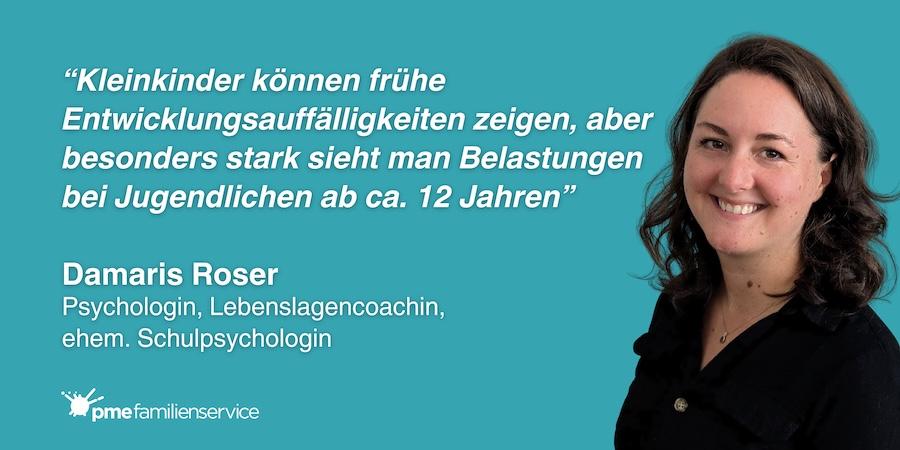
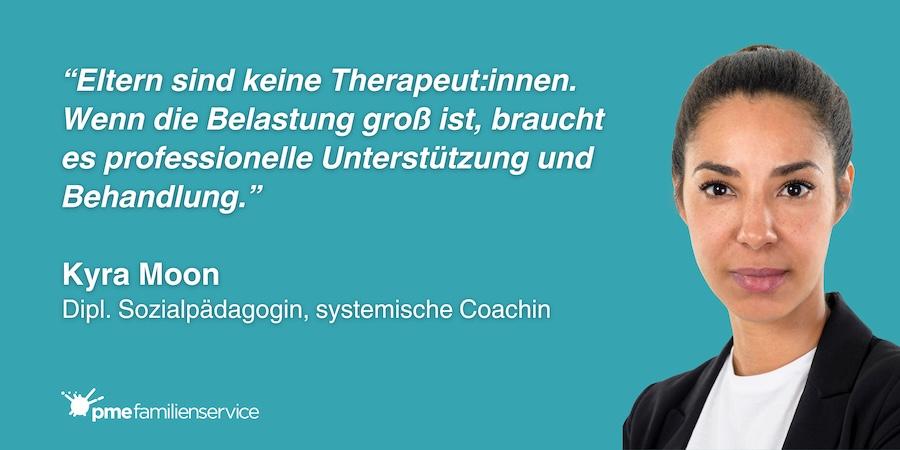
“What matters is empathy, structure in daily life, and celebrating small successes. Be proactive in seeking help, such as (school-based) support services, and seek professional evaluation early on,” says Kyra Moon, a certified social pedagogue and systemic coach.
“It’s very important to remember that parents are not therapists. When the stress becomes overwhelming, professional support and treatment are needed. As a parent, be sure to recognize your own limits as well.”
A professional evaluation helps in making a diagnosis, assessing the severity of the condition, recommending treatment, and conducting a risk assessment.
Who conducts the medical evaluation?
- Pediatrician/Family Physician: Initial evaluation, referral, ruling out physical causes
- Child and adolescent psychiatrists: medical diagnosis, assessment of medication, and, if necessary, decisions regarding inpatient treatment
- Child and Adolescent Psychotherapists: Psychological Assessment Methods, Developmental and Behavioral Diagnostics
- Social-Psychiatric Services / Multidisciplinary Teams (e.g., Child Welfare Services, Family Support Services): Assessment of social and psychosocial circumstances
6 Tips for Parents on How to Manage Everyday Life
1. Set priorities: Taking small, realistic steps helps prevent feeling overwhelmed.
2. Structure and routines in the daily schedule give children a sense of security.
3. Delegate and accept help: Accepting support from family, friends, or professional services is not a sign of weakness, but an important resource.
4. Setting boundaries helps prevent burnout.
5. Documentation: Putting appointments, agreements, and reports in writing makes it easier to communicate with the school and therapists.
6. Self-care is essential: take care of your own health and seek out connections with others.
Well advised with pme parent counseling
Our parent counselors support parents in all matters from pregnancy to the child's adulthood.
Personal and confidential: We are there for you online, by phone and on site. You can find more information on the pme parent counseling page.
Frequently Asked Questions from Parents of Children with Mental Health Conditions
How can I tell if my child needs mental health help?
If changes in mood, sleep, school performance, or behavior persist for several weeks, worsen, or lead to dangerous situations (e.g., self-harm), seek medical or psychological evaluation.
What should I do in the event of an acute risk of suicide or self-harm?
In case of immediate danger: Call 911 or contact the nearest emergency room. You can also use crisis hotlines (e.g., telephone counseling services) and stay with the child until help arrives.
Who can conduct a professional assessment?
The first points of contact are family doctors and pediatricians; for further assistance, child and adolescent psychiatrists, psychological psychotherapists, or multidisciplinary teams (Youth Welfare Office, Social Psychiatric Service).
How long is the wait for treatment?
Recent reports often cite waiting times of about 4–6 months (18–26 weeks), which vary by region and specialty; in some cases, they may be longer.
What can I do while we wait for a therapy spot?
Look for low-threshold counseling centers, school psychology services, or psychosocial support programs; take advantage of self-help groups, school support services, and crisis/emergency services to tide you over.
Does health insurance cover the cost of therapy?
Psychotherapy services and child and adolescent psychiatric treatments are generally covered by both public and private health insurance plans; please contact your insurance provider for specific details.
When is inpatient treatment necessary?
In cases of acute danger to the child, severe symptoms, significant functional impairment, or when outpatient services are insufficient, inpatient treatment may be recommended.
How do I talk to my child about their mental illness?
Be open, age-appropriate, non-judgmental, and convey a clear message: “You’re not alone, and we’re here to help.” Take their questions seriously, make them feel safe, and praise even small steps.