

Father holds his little daughter tightly in his arms
Parent & Child

High sensitivity in children: significance and help for parents

Highly sensitive children feel more intensely, perceive stimuli more strongly, and often think more deeply than others. This article explains how high sensitivity manifests itself in children, what causes it, and how parents can support their highly sensitive child. 

An article by Ramona Krämer, parent counselor and systemic family therapist at pme Familienservice. 

High sensitivity in children: a brief summary

High sensitivity in children manifests itself in the fact that they perceive and process stimuli and emotions particularly intensely. Typical signs include pronounced empathy, high sensitivity to noises or smells, and a clear need for retreat and quiet. The causes usually lie in a specific genetic and neurobiological predisposition.

Parents can specifically strengthen their highly sensitive child by responding with understanding, providing a structured daily routine, and taking the child's individual needs seriously. 

What is high sensitivity in children? 

High sensitivity describes a particularly sensitive nervous system that reacts very sensitively to external and internal stimuli such as bright light, noise, smells, or moods. Highly sensitive children often become stressed or exhausted more quickly, process information more deeply, and need more time to process impressions. They also pay particular attention to details and usually have a pronounced emotional life. 

High sensitivity in children – understanding and guiding emotionally intense children

 🗓️ February 25, 2026 / 11:30 a.m. - 12:30 p.m. (via Zoom)

Specialized lecture on high sensitivity in children

Learn from Ramona Krämer how you as parents can best deal with your child's special needs.
 

How does high sensitivity manifest itself in children? Symptoms in everyday life 

Typical symptoms and signs of high sensitivity in childhood are:

  • Strong emotional reactions and compassion: You are particularly sensitive to other people's moods, react passionately to injustice or when consuming stories and films, and show marked empathy.
  • Hypersensitivity to sensory impressions: Loud noises, strong smells, light, touch, or certain items of clothing (e.g., with scratchy seams) are quickly perceived as disturbing. 
  • Deep processing and lots of questions: Highly sensitive children often ask an unusually large number of profound questions and think through situations intensively. 
  • Great need for retreat: After exciting or noisy situations, they need periods of rest and like to retreat to process what they have experienced.

"Special events can have a lasting impact. Highly sensitive children find it difficult to fall asleep after eventful days and may still show signs of stress in the days that follow" – Ramona Krämer, parent counselor at pme Familienservice 

  • Problems with change and groups: Unexpected changes, new situations, or large groups quickly trigger uncertainty or reluctance. 
  • Perfectionism and conscientiousness: You want to do things "right," react sensitively to your own mistakes, and have high expectations of yourself. 
  • High sensitivity to food and taste: Certain textures, tastes, or smells in food are perceived intensely and often rejected.

"Highly sensitive children sometimes perceive even the smallest amounts of spices, heat, or salt and find them unpleasant, making the food inedible as a result." – Ramona Krämer


How can you recognize high sensitivity in children? Test & diagnosis

Since high sensitivity is a personality trait and not a mental disorder, there is no official medical diagnosis.  

A self-assessment based on Elaine Aron's Highly Sensitive Person Scale therefore remains the basis for determining high sensitivity. Based on this, there is also a high sensitivity test for children that helps parents recognize the signs.  

If the child exhibits typical symptoms, it may still be worthwhile to consult a child and adolescent psychologist in order to obtain a more accurate assessment and, if necessary, to distinguish it from other diagnosable disorders. ADHD in children or autism spectrum disorder can manifest similarly in some areas.  

What are the causes of high sensitivity? 

The predisposition to high sensitivity is usually genetic— it can run in families. Neurobiologically, highly sensitive children have higher concentrations of norepinephrine in their blood and a faster release of adrenaline, meaning they become excited more easily.  

Conscious stimulus suppression is less active, allowing more information to enter consciousness unfiltered. In addition, the limbic system in the brain, which is responsible for emotions and stress processing, shows increased activity.  
 

What are the strengths of highly sensitive children?

Highly sensitive children have many positive qualities and strengths that are evident in everyday life: 

  • High level of empathy 
  • Creativity and strong intuition 
  • Strong connection between thoughts and images ("big picture") 
  • attention to detail 
  • Strong sense of justice and ethical awareness 
  • Reflective ability and thorough consideration

These strengths enable highly sensitive children to act efficiently, thoroughly, and with great foresight. 

What do highly sensitive children need? 

In order for highly sensitive children to develop optimally and contribute their strengths, they need emotional and structural support from their caregivers. In detail, this means:

Emotional support for highly sensitive children

  • Unconditional love, acceptance, and the assurance of being taken seriously
  • Lots of affirmation to boost their self-confidence, because they often feel that their differences are not understood. 
  • Positive role models in dealing with emotions 
  • Strategies for fulfilling your need for rest and distancing yourself from unwanted stimuli and feelings

Structural support for highly sensitive children

  • Plenty of rest and sufficient breaks, as well as trips into nature, are good for them.
  • Clear routines, rituals, and a low-stimulus environment (limited media consumption, sufficient unplanned time, not too many hobbies) 
  • Preparing for upcoming changes or new developments
  • Consideration of individual stimulus thresholds   

7 tips on how you as a parent can support your highly sensitive child

  • Recognize and accept that your child is not being "difficult" on purpose.
  • Avoid sensory overload by reducing electronics, creating orderly spaces, and offering your child designated places of retreat.
  • Make sure you take regular breaks and moments of calm in your daily routine.
  • Guide your child clearly and calmly in challenging situations. 
  • Take your child's perception seriously; do not question or dismiss it.
  • Seek out exchanges with other parents and critically question well-intentioned advice.
  • Get support if the burden becomes too great, for example through counseling services or support groups.
Book recommendations on high sensitivity in children  

The Highly Sensitive Child: How to Respond to Your Child's Special Weaknesses and Needsby Elaine N. Aron 

“Highly Sensitive Children – Solutions for 51 Challenging EverydaySituations” by Johanna Hinze 

The pme parent counseling service 

Our parent advisors support parents in all matters from pregnancy to their child reaching adulthood. Personal and confidential: we are available online, by phone, and on site. You can find more information on the pme parent advice page. 

FAQs about high sensitivity in children 

1. How can I tell if my child is highly sensitive? 

Highly sensitive children are particularly sensitive to noises, smells, or moods, show strong empathy, and often need opportunities to retreat. 

2. Is high sensitivity an illness? 

No, high sensitivity is not an illness, but a personality trait. 

3. What helps my highly sensitive child in everyday life? 

Fixed routines, quiet places of retreat, understanding communication, and targeted breaks promote the well-being of highly sensitive children. 

4. Can high sensitivity be changed through education? 

Sensitivity itself cannot be "trained away," but children can learn to deal with stimuli better and make use of their strengths. 

5. Should I seek professional help? 

If uncertainties exist or hypersensitivity leads to everyday problems, counseling by professionals such as child and adolescent psychologists can be helpful in finding support and relief. 
 

zero 11 DIY ideas: Make your own Christmas gifts

Origami mobile made from cranes
Parent & Child

11 DIY ideas: Make your own Christmas gifts

Are you still looking for creative and personal gift ideas, but don't feel like Christmas shopping and unnecessary shopping frenzy, or simply don't want to spend so much money? With these 11 original ideas and DIY instructions, you are guaranteed to make your family and friends happy.

1. beautiful origami mobile made from cranes

In China, cranes mean "happiness of long life". But these beautiful origami cranes are also a great eye-catcher in any room. All you need is origami paper, paper (colored or paper in black and white, which looks very elegant), string, shashlik or other wooden sticks, scissors.


2nd nutshell boat for the bathtub

Making the nutshell boats and letting them float is a lot of fun. Here's how: first crack the walnuts, then use hot glue to attach a matchstick or toothpick in the middle and glue a paper sail to it. I always glue a small screw to the hull. Then the boat floats much better.

Want to quickly make a Christmas calendar? Here are some instructions for you: DIY Advent calendar craft

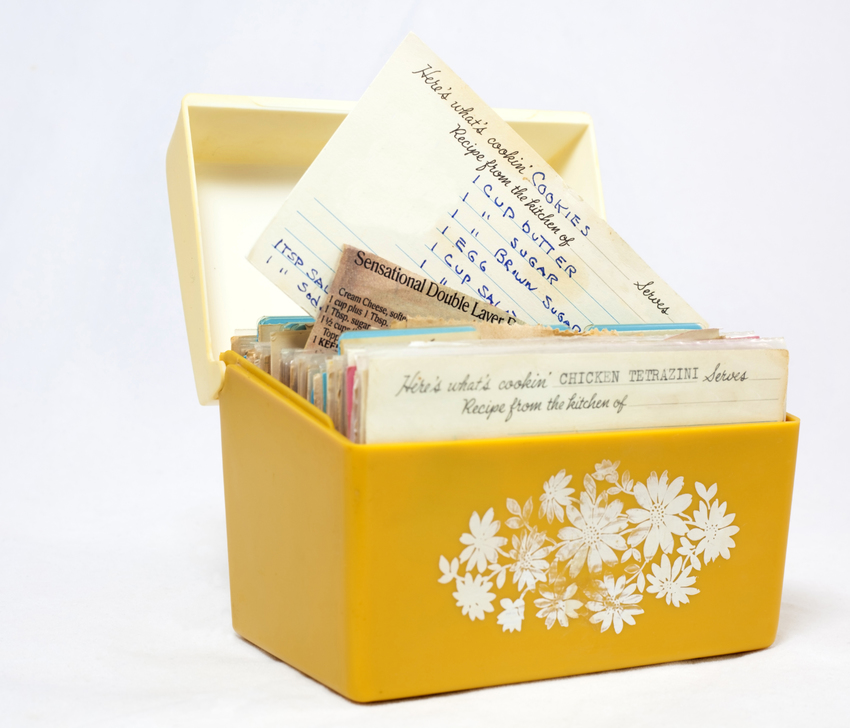
3. cooking cards with favorite recipes

If you like cooking and want to invite someone over for dinner, you can stick three to five recipes with photos on index cards, wrap them up nicely and you're done!


4. eat pretzels for a week

You can vary this idea as you wish: You write a nice voucher and then bring the recipient a pretzel every morning, or you catern a favorite person with dinner or dessert every evening for a week. Catern is very popular right now.


5. glass with good wishes

Take a nice preserving jar or another jar with a lid and write on small rolled notes what you wish the other person, what you want to experience with them in the new year or what you have wanted to say for a long time. The recipient can fish out a piece of paper whenever the days don't go as you would like them to.



6th Merci box with thank you notes

Buy a box of Merci and write something nice on the packaging. Then you can write something nice on each individual chocolate stick:"Thank you for picking me up from the train!","Thank you for always telling me jokes!","Thank you for your patience when we went to the swimming pool!" etc. Or you can just write nouns on it like in the photo.


7. give away flower bulbs and pots

Simply buy a flower bulb, customize the pot and you're done. Particularly impressive: tulips and amaryllis.



8. build birdhouses and give bird food as gifts

Bird feeders are available in different versions. You can hang fat balls in flower pots you have designed yourself. You can make fancy, cat-proof bird houses from old Tetra containers that you paint nicely.


9. folding the Fröbel star

These stars look really impressive. There are lots of videos on the internet that explain step by step how to do it. Once you've got the hang of it, you won't want to stop!


This YouTube content can only be loaded if you accept the privacy policy of Google LLC.

To the data protection settings "


10th photo calendar

Print out the 12 best photos that you took with your favorite person this year or that you think will be well received and stick them into a finished calendar. Of course you can also make collages.



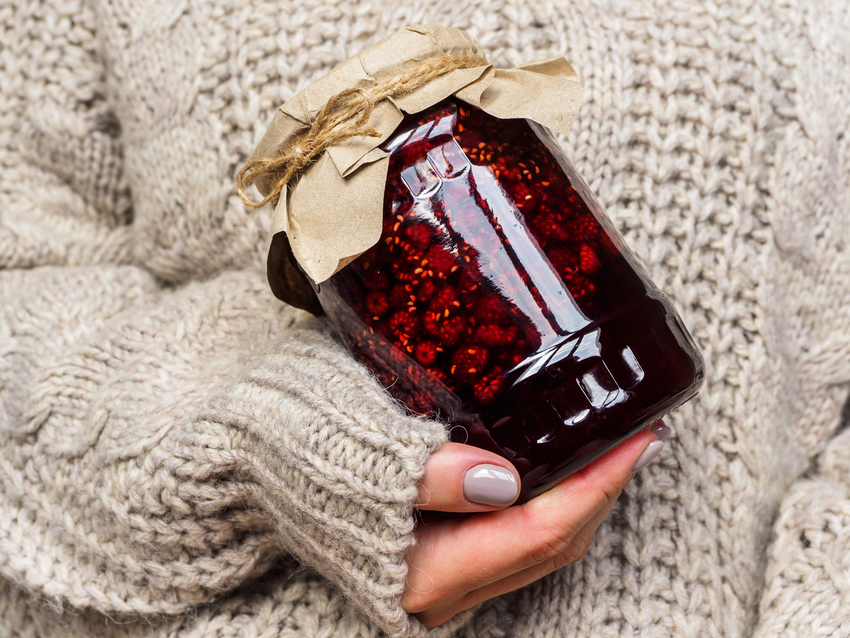
11. preserving jam

Making jam is not difficult at all. What's more, homemade jam tastes better than jam from the supermarket. Three things are important:

  1. Sugar (or the preservative contained in the gelling sugar from a ratio of 2:1)
  2.  Cooking fruit
  3. Fill boiling hot into preserving jars

To make this a success, we have summarized some tips for preserving:

Make sure the fruit is fresh and fully ripe. Only wash fruit briefly before chopping so that it does not lose its flavor. Make sure you use jars that are airtight and completely clean.

Example recipe: 1.2 kg strawberries, 3 tbsp lemon juice, 1 vanilla pod, 500 g preserving sugar (2:1)

Prepare 7 200 ml jam jars. Wash, clean and finely dice the strawberries. Place the strawberries in a large pan with the lemon juice. Cut the vanilla pod lengthwise and scrape out the seeds with a knife. Add the scraped out pod and pulp to the strawberries. Stir the preserving sugar into the fruit and bring to the boil. Bring everything to the boil, stirring constantly, and cook for at least 3 minutes. Carefully remove the vanilla pod, puree the jam, pour into the prepared jars and seal immediately.



The gift tips for Christmas or other special days come from pme social pedagogue and trainer Jürgen Griesbeck and his daughters. They have already made, baked or cooked many of the ideas themselves and given them as gifts to good friends and family.