

Dogs and Heat: How to Help Dogs Stay Cool This Summer
Summer, sunshine, 30 degrees—what feels like vacation, freedom, and ice cream to us can quickly become a real challenge for dogs—and, in the worst case, a health risk. That makes it all the more important to protect our four-legged friends during the summer. In this post, we’ve compiled the most important questions and dos and don’ts for caring for dogs in hot weather.
Text: Maximilian Zahn and Christin Müller
Read more in this article:
- At what point does heat become dangerous for dogs?
- What to Do with Your Dog in Hot Weather? Summer Do’s
- How can I protect my dog from the heat?
- What games can dogs play in hot weather?
- Can my dog eat ice cream?
- Don't: Leave your dog in the car during the summer
- Which dog breeds have a particularly hard time tolerating heat?
- Conclusion
- FAQ
At what point does heat become dangerous for dogs?
Even if it “only” feels warm outside, heat can become dangerous for dogs much more quickly than we think. Although dogs have sweat glands on the pads of their paws, these aren’t enough to regulate their body temperature. They release most of their body heat by panting.
These typical warning signs will help you tell if your dog is overheating:
- Heavy, persistent panting (more intense than usual)
- significantly slower running
- unusual fatigue or listlessness
- glazed-over look
If your dog shows several of these signs, at the very latest, he needs an immediate break in the shade, rest, and access to fresh water. When in doubt, it’s better to cool him down and take a break once too often than not enough.
What to Do with Your Dog in Hot Weather? Tips for Summer Walks
Dogs need exercise—but not at any cost. Especially in the summer, here’s a simple rule to follow: Take long walks early in the morning and late in the evening, and short walks around noon.
- Schedule longer walks for the early morning and evening hours: The temperatures are much more pleasant then , and it puts less strain on your dog's circulatory system.
- Keep midday walks short and in the shade: If you have to take your dog for a walk in the midday heat, do so in the shade whenever possible, at a slow pace, and on soft ground (grass, dirt, forest trails).
Hot Asphalt and Dog Paws: The 7-Second Test
Sunlight often causes asphalt to heat up much more than we realize based on the air temperature. This can cause painful burns on their paws.
A simple test:
Place your hand on the ground for about 7 seconds. If it feels too hot to you, it’s too hot for your dog’s paws, too. In that case, stick to grass, dirt, or shaded paths, or postpone your longer walk until cooler times of the day.
How can I protect my dog from the heat?
Here are a few simple everyday tips to help your dog stay cool on hot days:
- Always have water on hand—whether you're out and about or at the office: Make sure your dog has plenty of fresh water within reach, and check regularly to see if the bowl is still full.
- In the office, make sure to sit in a cool, draft-free spot:
- The sleeping area should not be located directly next to windows or other heat sources. Ventilate the room regularly and ensure a well-ventilated but draft-free environment.
- Feed smaller portions: On very hot days, it may be a good idea to serve smaller meals spread out throughout the day. They are easier to digest and put less strain on the body.
- Adjust your dog’s grooming routine: Dogs with a thick undercoat, in particular , enjoy having loose hair brushed out regularly. This isn’t a substitute for a “summer haircut,” but it does help with thermoregulation.
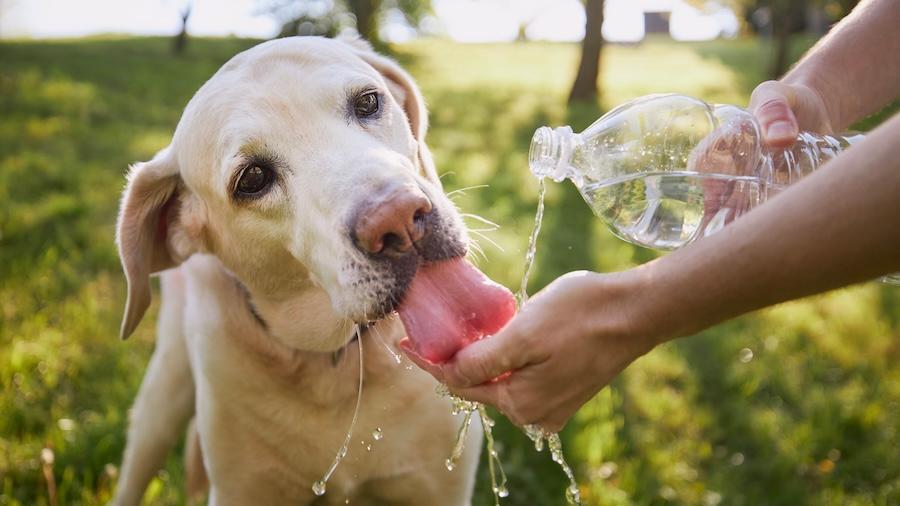
Staying hydrated is especially important for dogs in the summer.
What Can Dogs Do to Stay Cool in Hot Weather? Heat-Friendly Activities
Playing rough ball games in the blazing sun isn't a good idea in the summer. However, there are plenty of alternatives that will give your dog a good workout without putting too much strain on his circulatory system.
Great Ideas for Staying Active in the Heat:
- Nose work in the shade: For example, treat-hunting games in the garden or at home. This challenges the mind, but not the heart rate.
- Calm training exercises: tricks , impulse control, simple obedience exercises—short sessions that require concentration rather than speed.
- Relaxation instead of action: cuddles , massages, and chilling out together in a cool place. This, too, is valuable time spent together and helps your dog wind down.
Can my dog eat ice cream? Keeping dogs cool from the inside during the summer
The good news: Yes, dogs can eat ice cream—but please make sure it's dog-friendly.
Traditional milk ice cream, chocolate, or varieties with high sugar content are off-limits for dogs. But it’s also easy and safe to make your own.
Homemade Dog Ice Cream – Simple Ideas:
- Dilute plain yogurt (low-lactose or lactose-free, depending on your tolerance) with a little water, pour it into silicone molds or a Kong, and freeze.
- Puree fruit that is safe for dogs (e.g., banana or a small amount of watermelon, with the seeds and rind removed), mix it with water, and freeze it.
- Broth Ice: Dilute some low-sodium, unseasoned meat broth with water and freeze it in ice cube trays.
Important:
- Always give your dog ice in small portions and see if he tolerates it well.
- Ice cubes that are too hard or too large can put strain on teeth—it’s better to offer smaller portions or slightly thawed ice cubes.
Frozen raw meat can be a special treat on hot days—but it should only be given in small, well-thawed portions. Large pieces of frozen meat can put strain on your dog’s teeth and irritate its stomach. Observe how your dog tolerates the frozen meat, and use it more as an occasional extra snack rather than as a daily “main cooling treat.”
How can I help my dog stay cool in hot weather? External cooling
In addition to water and appropriate exercise, there are practical ways to help your dog stay cool:
- Wet wipes or cooling mats: A cool, slightly damp surface can be very comfortable. Make sure your dog can decide for itself whether it wants to lie on it or not.
- Cooling toys from the fridge: There are special toys you can fill with water and chill. Or you can fill a Kong with some treats, freeze it, and let your dog lick it in the shade.
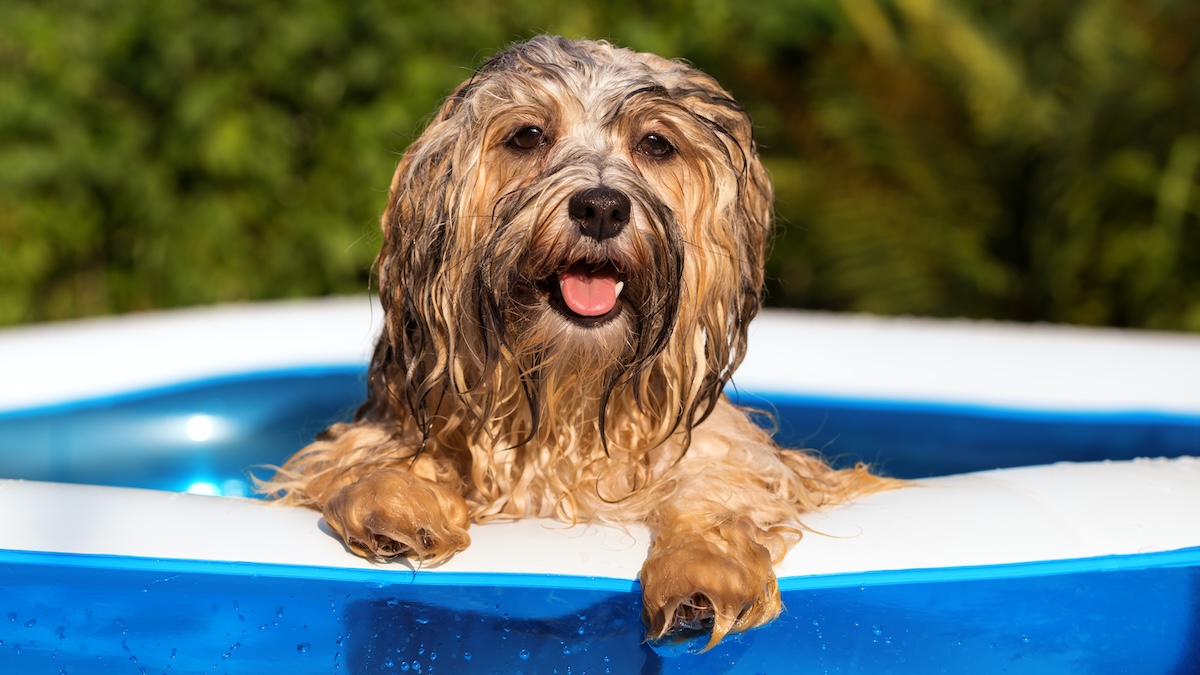
- Water Fun in Moderation: Many dogs love wading pools or shallow areas along the shore. A quick dip to cool off is great, but avoid prolonged, very boisterous play in the water—that, too, can put a strain on their circulation.
Don't: Leave your dog in the car during the summer
A particularly important "don't" when it comes to dogs and hot weather:
Dogs must not be left in the car during the summer—not even for “just five minutes,” and not even when the sky is slightly cloudy.
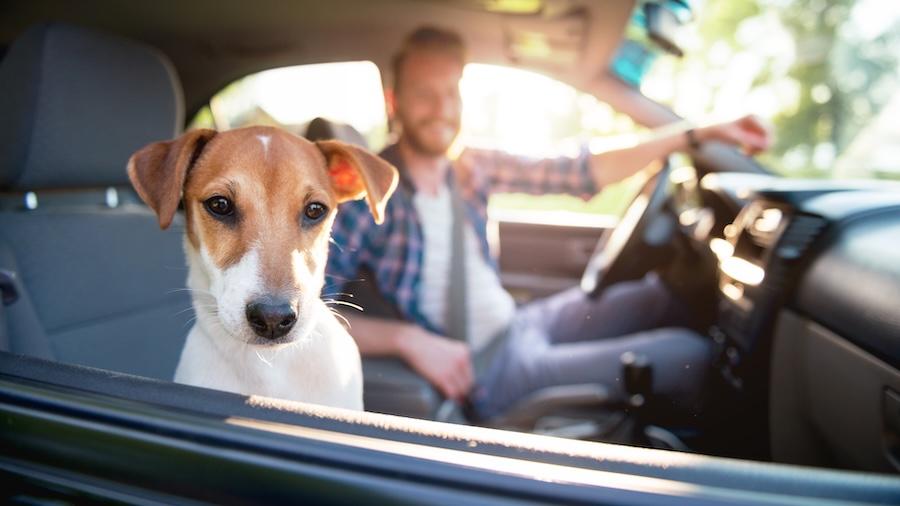
Dogs should not be left in cars during the summer. There is a risk of overheating and heatstroke.
- Even when the outside temperature is as low as about 20 degrees, a car can heat up significantly in a short amount of time.
- The indoor temperature often rises by several degrees within minutes.
- Example: An outside temperature of 24 degrees can rise to about 31 degrees inside a car within 10 minutes.
This can be life-threatening for dogs. They can't escape the heat, their panting causes their heart rate to rise even further due to stress, and they are at risk of collapsing.
Our clear recommendation:
- Plan your shopping and errands so that your dog doesn't have to wait in the car in the first place.
- If your dog isn't allowed in the store, it's better to leave it at home or arrange for someone to watch it.
Which dog breeds have a particularly hard time tolerating heat?
Not all dogs cope equally well with high temperatures. Some require extra care and protection:
- Short-nosed breeds (e.g., pugs, French bulldogs): They often have breathing problems anyway, which are exacerbated by heat.
- Puppies and older dogs: Their circulatory systems are more sensitive, they have a harder time regulating their body temperature, and they tire more quickly.
- Dogs with dark coats: Dark fur absorbs more heat from the sun, causing the body to heat up more quickly.
- Dogs with a thick undercoat: They literally wear a “fur coat” and have a harder time releasing heat.
For these dogs, the following applies in particular: Rest is more important than activity in the summer. It’s better for them to take several short, leisurely walks during cooler times of the day than to go on long exercise sessions in the midday heat.
Conclusion: Dogs and Heat—Do’s & Don’ts for a Relaxing Summer
Dogs are with us every day—at the office, on vacation, and, of course, during the warmer months. By following a few simple do’s and don’ts for dogs in the summer, you can go a long way toward helping your dog cope with the heat:
- Schedule your walks for the cooler parts of the day and avoid hot asphalt
- Take warning signs of overheating seriously and always have fresh water on hand
- Never leave dogs in the car—not even “just for a moment”
- Take special care to protect at-risk groups such as puppies, senior dogs, and dogs with short noses and dark coats
- Allow for more rest during the summer and focus on heat-friendly activities
- Provide additional ways to cool off—for example, with shaded areas, cooling mats, cooling toys, and occasionally homemade dog ice cream
This way, summer will be as carefree as possible for both people and dogs.
FAQ: Dogs and Heat – The Most Common Questions
At what point does heat become dangerous for dogs?
Even warmer summer days can be stressful, especially in direct sunlight, high humidity, or during vigorous exercise. Once temperatures reach around 25–30 degrees, you should schedule walks for cooler times of the day and watch for warning signs such as heavy panting, fatigue, or a slower pace.
At what temperature should a dog not be left in a car?
There is no safe threshold. Even when the outside temperature is as low as about 20 degrees, a car can heat up so quickly that it becomes dangerous for dogs. The safest rule, therefore, is: Never leave dogs in the car in the summer—not even “just for a moment.”
Can my dog eat ice cream?
Yes, as long as it's safe for dogs. Homemade dog ice cream made from plain yogurt, some fruit, or diluted, unseasoned meat broth is a good option. It's important to serve small portions and use ingredients that are easy for dogs to digest. Sugar, chocolate, and heavily seasoned products are off-limits.
How can I help my dog stay cool in hot weather?
Shaded areas, fresh drinking water, damp towels or cooling mats, cooling treats such as dog ice cream, and cooling toys from the refrigerator can all be helpful. In addition, walks should be scheduled for the morning and evening hours, and physical activity should be reduced.
What games can dogs play in hot weather?
Quiet activities are ideal: scent work, search games, puzzle toys, short training exercises in the shade or indoors, and relaxation exercises. You should avoid wild running and jumping in the sun.