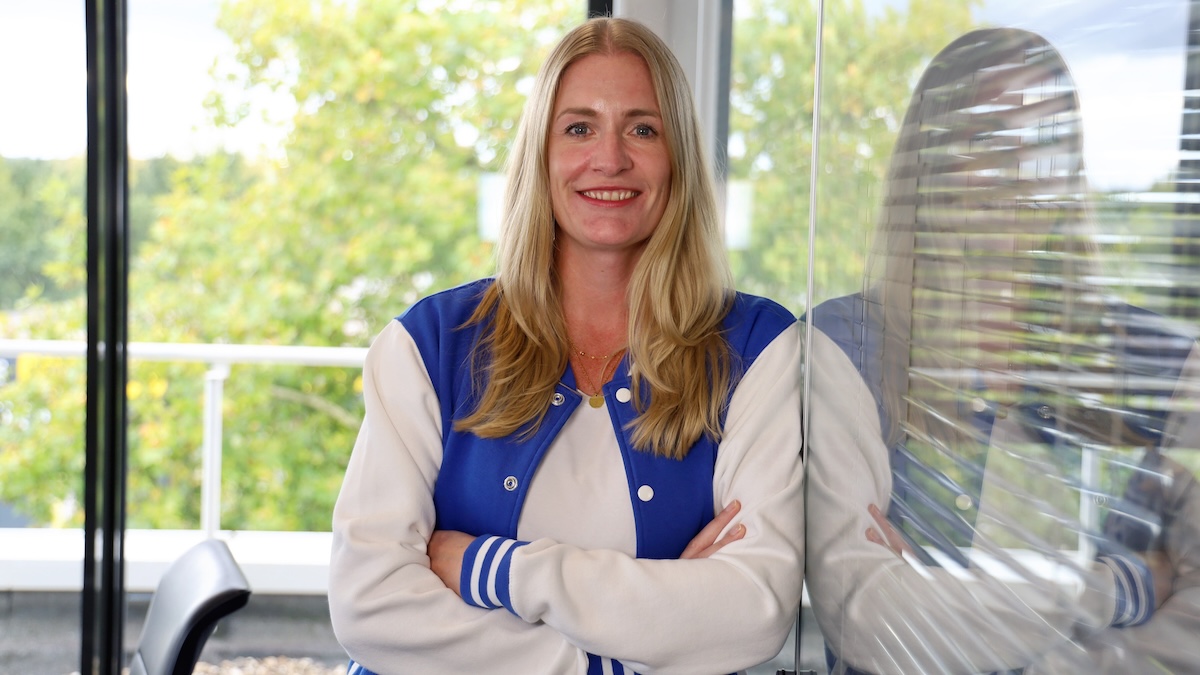
Profile: Lina Duwenda, Assistant HR Manager, KIKXXL
Leadership & HR

KIKXXL: “Our employees’ families also benefit from the EAP program”

At pme Familienservice , we firmly Familienservice that mental health is one of the most important factors in building strong teams. The HR department at KIKXXL shares this view. As a nationwide service provider, they know that high-quality external EAP support takes the pressure off employees , managers, and the HR department. 

Lina Duwendag is the Deputy HR Manager at KIKXXL. In this case study, she explains why the partnership with pme Familienservice is Familienservice win-win situation for everyone and how it helps the company effectively engage with and support the younger generation. 

Company Overview

  • Company Name:KIKXXL GmbH
  • Industry: Services (Contact Center)
  • Company size: Over 3,300 employees at 12 locations (6 in Germany)

Challenge

High demand for internal counseling, overwhelmed managers, growing family-related stress, and external services that are difficult to access. 

Solution

A readily available, low-threshold EAP counseling service (offered digitally and by phone) that covers a wide range of topics, providing employees with direct, confidential, and professional initial support while alleviating the burden on managers. 
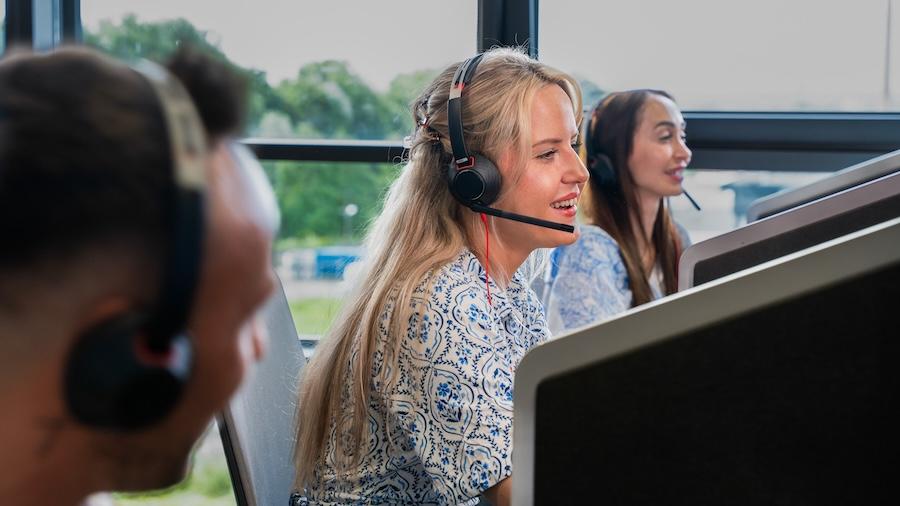


(Photo: KIKXXL)

Since May 2024, pme Familienservice has been supporting Familienservice with EAP services and the pme Academy. What prompted the decision to invest more heavily in employee mental health? 

Lina Duwendag: There wasn't a single trigger; rather, there were several factors that led us to expand our offerings.  

One factor was that our in-house trained staff for debt counseling were very well received by employees. At the same time, employee and BEM meetings revealed that managers and the HR department often reached their limits when employees asked for support with additional challenges.  

This is not just about mental health in the narrow sense, but about a wide range of family-related issues. Topics such as caring for family members are becoming increasingly common. Information on the internet is often confusing in this area, and employees need concrete, reliable guidance and checklists.  

That’s why we looked for a way to offer employees quick and easily accessible first aid and support—without major obstacles or long wait times. 

All of this has shown that a professional EAP program is a worthwhile investment. Of course, part of the goal is also to reduce the number of sick days. After all, when employees receive prompt and effective support, they are naturally able to work with greater peace of mind.  

What have you appreciated so far about working with pme Familienservice? 

The prompt assistance with all issues. And the open and honest collaboration. 

Which employee groups benefit most from these programs? 

Everyone! Internal HR, managers, and employees: Because no matter what concerns you may have right now—whether mental or physical—they are fully Familienservice by the EAP and Academy programs offered by pme Familienservice .  

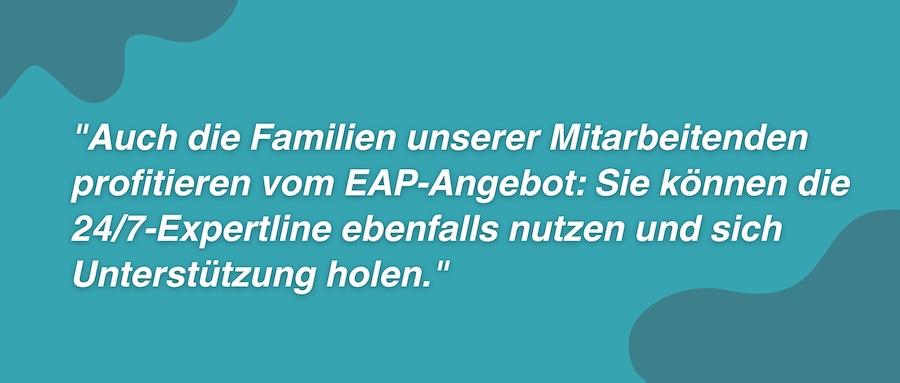
Our employees' families also benefit from the EAP program: they can use the 24/7 Expertline as well to get support. 
Which benefits are particularly popular among your employees? 

Life situation coaching is most commonly used as part of EAP counseling —specifically, the 24/7 expert hotline, where employees can receive quick, psychosocial, and confidential assistance.

The seminars and coaching sessions offered by the pme Academy are also well attended and frequently booked. These are primarily designed to be preventive in nature. 

We’ve recently started using the Mindance app from pme Familienservice—but we’ve only just begun rolling it out. I can’t say anything about it yet, but I’m really looking forward to the feedback. 

Was there any specific feedback or an example from your day-to-day work that you'd like to share?  

Just yesterday, an employee received help from the pme Familienservice s Employee Assistance Program (EAP) Familienservice has a concrete plan in hand, as well as a first appointment at a local counseling center. 

Which service best supports you as an HR professional and manager? 

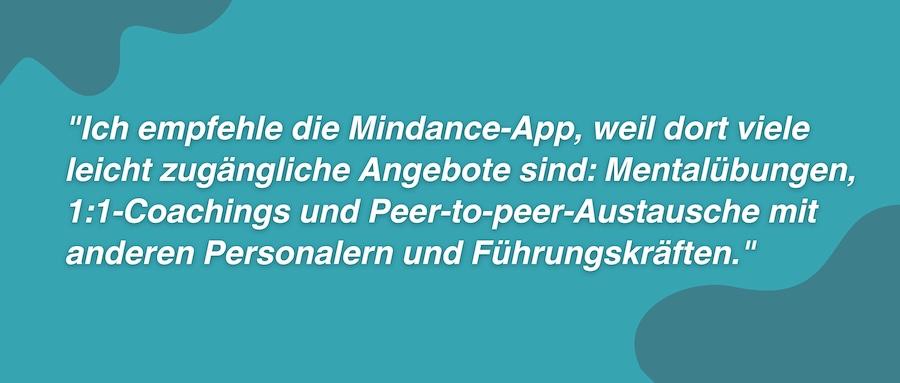
I recommended the Mindance app to our HR team because I really like it myself and enjoy using it, and because it offers a wide range of easily accessible resources: mental exercises, one-on-one coaching, and peer-to-peer exchanges with other HR professionals and managers. 

I also really like the courses and seminars offered by the pme Academy. Just recently, I took a course through the app on how to recognize mental health issues in employees and how to support them. I’ve also completed a course on the topic of “Chronic Illness in the Workplace.” 

How did your collaboration with pme Familienservice get started?  

We’re very tech-savvy. We have our own app and an intranet. That’s where we posted information about the EAP and the Academy’s offerings. Right at the start, we also held a live video conference with our pme contact, Rebecca Redlich, who introduced the program to all employees. 

We also received flyers from pme and have displayed them in poster frames at all our locations. We like to bring these flyers with us when we have performance reviews, and the works council also distributes them when they have confidential discussions with employees and are asked for advice. 

There are now posters in the restrooms advertising the Mindance app, complete with a QR code that can be scanned directly with a cell phone. 

What HR trends do you foresee over the next 5 to 10 years—including those related to Gen Z and young talent? 

I would say that mental health will continue to gain importance. Older generations tended to put their own well-being on the back burner. But that has definitely changed. 

That’s why I’m really curious to see how the Mindance app will be used, because I think it will help us better connect with our younger employees. The majority of our workforce is under 30, and the younger generation is more hesitant to make phone calls.  
What advice would you give to other companies that want to make mental health a higher strategic priority?  

I could go on and on about a comprehensive workplace wellness plan. That’s a very, very broad question. Maybe Familienservice with the pme Familienservice as a first step, since they’ll walk you through the process and give you a solid introduction to the topic. 

Would you Familienservice pme Familienservice —and why? 

I think you can tell: we’re extremely satisfied. We’re taking advantage of the program, and our employees are too. And that takes some of the pressure off HR. We can refer our employees to a professional service where they can receive first aid—and that’s especially important for our younger workforce. We have a large number of employees with a wide variety of life stories and challenges; this program is perfectly suited to that diversity. 
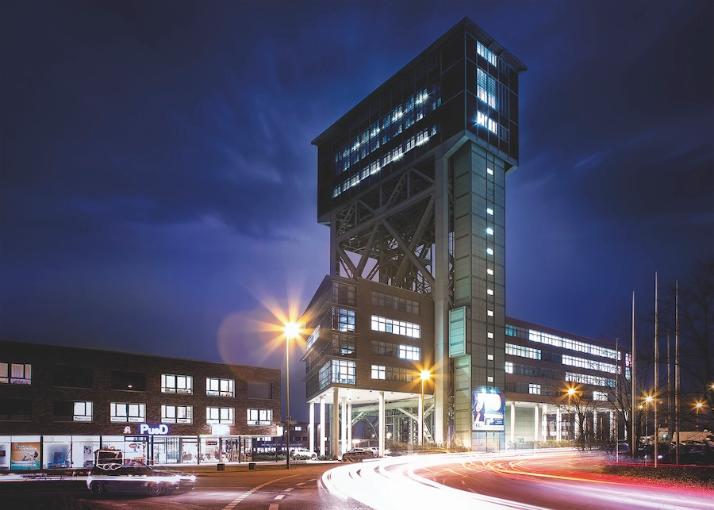


(Photo: KIKXXL, Dortmund location)
 

zero Interview: How does psychological safety work in teams?

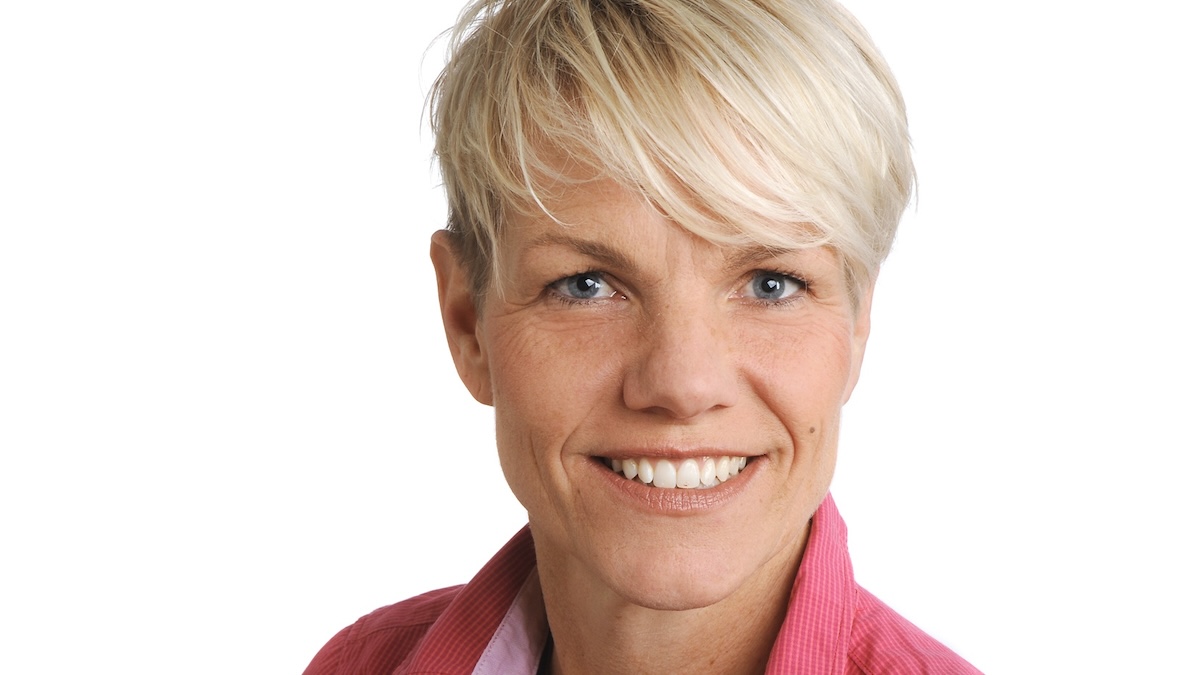
Portrait Imke Täufer-Krebs, Head of Human Resources and Organizational Development
Leadership & HR

Psychological safety in teams: Best practice GMSH

A team in which everyone feels safe to speak their mind and openly admit mistakes is more efficient. Gebäudemanagement Schleswig-Holstein (GMSH) sent 150 of its managers to 14 workshops at the pme Academy for two years to promote psychological safety in their teams. Interview with Imke Täufer-Krebs, Head of Human Resources and Organizational Development at GMSH.

Sector: Public service
Employees: approx. 1,700
Founded: 1999
Locations: 15 in Schleswig-Holstein

Anyone who is a manager or works in HR management cannot avoid the term psychological safety . After all, teams with a high level of psychological safety are demonstrably more successful, innovative and motivated. The management of GMSH in Schleswig-Holstein recognized this early on and launched a comprehensive training program with pme Familienservice .

Between 2018 and 2020, 150 managers at all levels took part in a total of 14 workshops at the pme Academy as part of a mandatory program. This training aimed to expand managers' knowledge in order to create and promote psychologically safe environments in their teams.

What does psychological safety in teams mean?

Psychological safety describes a working environment in which team members have the confidence that they can take risks in their group without fear of negative consequences. In a psychologically safe environment, employees feel encouraged to express their opinions and give constructive feedback. This not only promotes individual development, but also strengthens the innovative power and problem-solving ability of the team as a whole.


Imke Täufer-Krebs knows how psychological safety can be implemented in companies and what is important here. She took part in the workshops herself and is a manager in personnel and organizational development at GMSH.

Ms. Täufer-Krebs, how do you ensure psychological safety in your team?

Imke Täufer-Krebs: We meet in person twice a week. On Mondays in particular, we take time to talk about how each of us is doing at the moment. We also use this time to talk about situations where things didn't go as planned or where mistakes were made. It is important to me that we maintain a connection with each other, even when mistakes happen. I always emphasize that I stand behind every team member when something is done with good or sensible intentions - even if something goes wrong. And of course I am part of this team and also share situations where I have not succeeded or have made a mistake.

A quick look back: How do you remember the workshops on psychological safety?

I had worked at Kiel University for a long time and was therefore already familiar with a culture of discourse. The training was already booked when I came to GMSH and I was looking forward to the discussions about how we could accept mistakes as learning opportunities. At the time, I was amazed by the intense discussions about the need to avoid deliberate mistakes at all costs. Of course, this was related to the history and the industry, which I was not so familiar with at the time.

What did you personally take away from the workshop?

In addition to the intensive discussions, I have particularly fond memories of a playful element. It became very clear how differently we react to the mistakes of others and how much we try to avoid mistakes ourselves. Shame probably plays a major role in this. We also helped shape the agenda ourselves and asked the question at the end of each training session: Do we need something like error guidelines? Of course, there was no clear result.

What sustainable results can you see?

This module, together with two others on communication & team development and understanding roles , was the start of a really exciting time that GMSH has experienced since then. Almost three years ago, we took the big step towards 100% desk sharing with around half of our employees as part of an upcoming relocation. We had less floor space in the new building, but wanted to move from five dependencies into one building under one roof, and there was a good opportunity to implement this very centrally in Kiel. We set up 570 workstations for 800 employees and let them help shape the entire process. Of course, there were challenges along the way, but more than 80 percent of employees are now satisfied with the new situation. Today, almost all companies are embarking on a journey to save office space and share workstations.

What would you do differently today if the workshops were to take place again?

It was a good start back then. Today, the face-to-face training would certainly be supplemented with digital elements, but it was basically well designed - with some input, something fun to experience and plenty of space for reflective discussions on specific experiences with so-called mistakes. And then the discourse on the guidelines. You can't achieve much more in two days.

How would you describe your error and feedback culture in the company after the workshops?

We have never actually developed or adopted error guidelines. Overall, however, we have become much more willing to learn. This is also due to the fact that we have stipulated in our company guidelines that our teams are "competent and reliable, but equally innovative and willing to experiment. They are willing to try new things and see mistakes as an incentive to learn."

We proactively tackle important issues of the future and are a recognized center of excellence in Schleswig-Holstein for digitalization, climate protection in public construction and sustainable procurement. A broad portfolio of personnel and organizational development, which is commissioned directly by the management, is constantly promoting this transformation of our public company. For example, we have now established a team for design thinking - so-called DT coaches, who can be requested if you want to develop new ideas. The mindset experienced there naturally has a positive effect on everyday working life. More and more often, the person who has the expertise for something is allowed to take responsibility, and not automatically the manager.

What kind of leadership and what skills are required to create psychological safety in teams?

I have already touched on the subject of shame, a feeling that we are all more or less familiar with. If it is very pronounced, it makes us freeze and often leads to us limiting ourselves to doing things by the book. If, on the other hand, it is barely present, everyone loses their sense of security.

A manager is always a role model and should be aware of this. They must certainly lead the way and be the first to talk about how they experience their own mistakes, what they have learned from them and encourage the team to talk about mistakes.

Personally, I'm not a fan of the so-called "FuckUp Nights". You don't necessarily have to celebrate mistakes, but you definitely have to talk about what good things have come out of them.

How do you deal with negative feedback? And what do you value when you give feedback yourself?

What is negative feedback? I only give feedback if someone specifically asks me for it. Then I describe my own experience and point out that it is only my own perception. The person can decide for themselves what they want to accept and what not.

If I address something that should be different or for which I have a different opinion, then I name it clearly. My focus is generally more on developing potential. I always think about - and regularly ask - "What do you need from me to be able to work well or do your job?". There are so many good ideas in my team that I can't come up with them on my own. And I'm not infallible either. I report on my appointments and reflect on what I experience with my team.


From your experience, where do you see the biggest challenges? How do you tackle these challenges?

World events are currently characterized by crises and disruption, followed by isolation and fear. But we don't learn in this mode. For this, we need safe spaces, both physical and virtual. We are able to achieve much more when we are connected and realize that we need to act together. It is particularly important to keep updating this awareness.

Do you have any advice or a learning that you would like to pass on to others?

With pleasure. Where attention goes, energy flows, and where energy flows, life grows. Or: think carefully about which wolf you want to feed, because it will be stronger - the one that scares or the one that gives love? These are quite simple images, but they help in almost every everyday situation to quickly decide how to behave better in the long term.

Thank you very much for the interview!

About Imke Täufer-Krebs

Imke Täufer-Krebs has been working at GMSH since 2017 and is Head of Human Resources and Organizational Development and the New Work competence team. She holds a degree in psychology and is a systemic-integrative coach.

About GMSH

Gebäudemanagement Schleswig-Holstein AöR (GMSH) is the central service provider for public construction, management and procurement in Schleswig-Holstein. Every year, it brings more than 800 million euros to the market. With around 1,700 employees, it is one of the largest companies in Schleswig-Holstein.

The two topics of climate protection and digitalization are currently the most important drivers for the continuous development of its business areas - especially where they can create synergies. GMSH supports the state of Schleswig-Holstein in implementing its climate protection strategy with a holistic approach to state buildings throughout their life cycle and with various initiatives ranging from e-mobility to photovoltaics. To achieve these goals, it works in interdisciplinary teams and has introduced a modern working environment with mobile working and desk sharing.

Further information can be found at: www.gmsh.de