A young woman gives feedback to another
Leadership & HR

5-finger feedback: tips for good feedback

By Darina Doubravova (Head of pme Academy) and Isabel Hempel (Editor)


Group feedback at the end of a seminar or team meeting is beneficial for everyone. We present effective methods for giving constructive feedback. For example, 5-finger feedback is a practical and easy-to-understand method for constructive feedback in teams and seminars. With the help of the five fingers, differentiated feedback on positive aspects, notable points, points of criticism, learnings, and missing points can be obtained quickly and easily. The method ensures clarity, appreciation, and improvements in everyday work. Get tips and variations on how to use it and possible alternatives here.

1. Five-finger method - Each finger represents a statement

One method of giving quick and constructive feedback is the five-finger model. Each finger stands for a question that you answer in one or two sentences. Start with the tops!


Thumbs: I thought that was great! For example: "I particularly liked the fact that the discussions were open and constructive. The atmosphere was pleasant and everyone expressed themselves freely."

Pointing finger: I noticed that! For example. "I noticed that some topics were addressed several times. There were often similarities in the participants' observations."

Middle finger: I didn't like that! For example: "Some discussions dragged on, which made it difficult to focus on the key points. I would have liked a clearer structure here."

Ring finger: I'll take that with me! For example: "I have received valuable suggestions and new perspectives that I can incorporate into future projects."

Little finger: I didn't get enough of that! For example: "Unfortunately, there was little time for in-depth discussion of possible solutions. I would have liked some ideas to have been dealt with in more depth."

If time is short or the feedback should be more concise, only three fingers can be used, for example the thumb (positives), the ring finger (insights), the little finger (I missed that).

2. one-minute paper

Another method is the "one-minute paper" according to Werner Stangl. At the end of a team meeting, everyone receives a blank sheet of paper.

First, everyone writes all the positive feedback and thoughts on one side:

  • What have I understood?
  • What did I like?
  • What inspired/motivated me?
  • Where have I been able to work?

Any unclear or critical thoughts are written down on the back:

  • What have I not quite understood?
  • What touched me little?
  • What didn't I like?
  • What have I not been able to participate in?

An evaluation can take place immediately or at the beginning of the next meeting. The evaluation is carried out either by the manager or by a team member or participant.

Afterwards, the group's results are presented, the feedback is interpreted, and suggestions for possible changes and consequences are developed : What could be done differently next time?

3. especially for managers: How can I give feedback in difficult situations?

When it comes to addressing something that makes teamwork difficult, it is important to give feedback. But that is not so easy.

The tone must be right, and the words should be chosen wisely.

Executive coach Nina Lizon explains in this video how you, as a manager, can give constructive feedback.


Have fun testing these methods!

Are you familiar with our e-learning course on feedback?

It is not always easy to find the right words for constructive feedback. In our e-learning course on feedback, you can reflect on your own habits and receive helpful suggestions.

This Vimeo content can only be loaded if you accept the privacy policy of Vimeo, LLC.

To the data protection settings "

pme Academy: Our 360° offers for managers

Personnel management, communication, error culture, digital leadership - with our webinars and training courses in the 360° series, we focus directly on the day-to-day work of team leaders. For experienced managers and junior staff.

pme Academy

FAQs about 5-finger feedback

What is the 5-finger feedback?

The 5-finger feedback is a structured model for quick feedback. Each finger represents a specific aspect of feedback: positive, noteworthy, criticism, insights, and missing.

How does the 5-finger feedback work in practice?

Each team member makes a brief statement about each of the five fingers. First, the positive aspects (thumb) are highlighted, followed by the other points in the order of the fingers.

When is this method particularly suitable?

The model is ideal for use at the end of meetings, workshops, seminars, or feedback sessions—especially when feedback needs to be gathered quickly and constructively.

How can I use the 5-finger feedback digitally?

The method also works via video conference, in chats, or with online whiteboards. Each participant can submit their answers in writing, and the results are discussed together.

What to do if the feedback is critical?

It is important to establish an appreciative framework and to treat criticism in a solution-oriented manner. Managers should address specific points of criticism and work with the team to formulate solutions.

zero DIY advent calendar for last-minute decision-makers

You can see 3 pairs of feet with Christmas socks
Parent & Child

DIY advent calendar: in 30 minutes

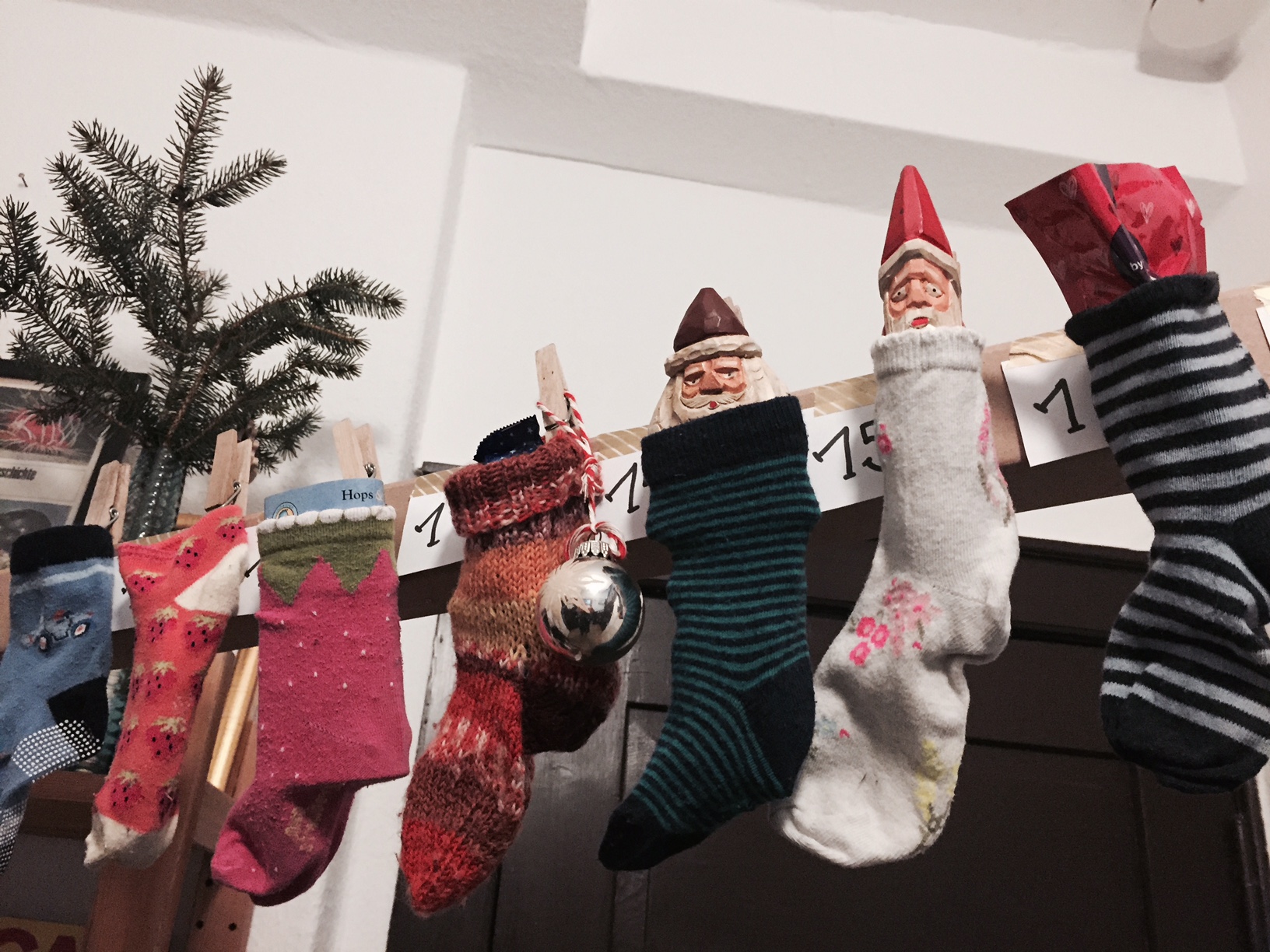
Every year again: You know that pressure of wanting to make one of those homemade calendars ... should? Our blogger and mother Isabel shows you what great "single sock calendar idea" she discovered and tried out. The best thing about it: the calendar looks good, is easy and fun to make.

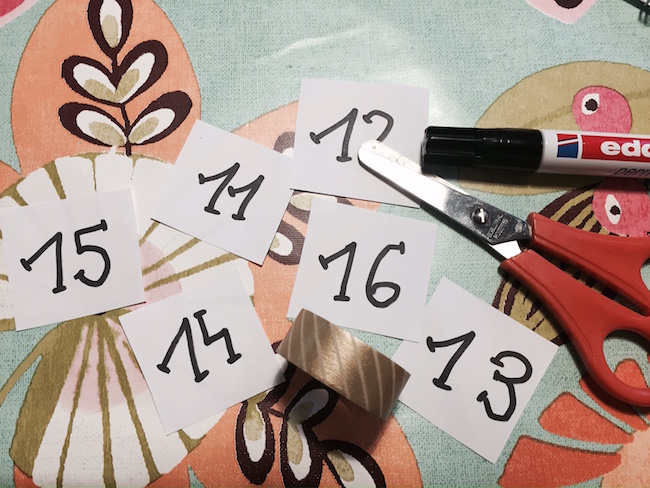
This is what you need for the calendar:

  • a long, narrow wooden strip (I have one made of cardboard from the packaging waste...) or a thick cord
  • 24 clothespins
  • 24 individual socks (preferably children's socks)
  • 24 small surprises for children or adults (e.g. bath salts, Pixie books, sweets, delicious fruit, etc.)
  • some Christmas decorations
  • Paper
  • Scissors
  • Sharpie
  • Colorful masking tape (now available in almost every drugstore)

This is how you make the calendar:

Fill all the socks and pin them to the strip or cord using the clips. Draw the numbers 1 - 24 on paper with a sharpie, cut them out and pin them to the strip with the tape. Attach a Christmas bauble here and there.

It's best to see where the Kalaner can be placed beforehand. I hung it at an angle between a shelf and a door frame.

Have fun making the DIY calendar and unwrapping it together during the Advent season!