Wet Dog in the Pool
Body & Soul

Dogs and Heat: How to Help Dogs Stay Cool This Summer

Summer, sunshine, 30 degrees—what feels like vacation, freedom, and ice cream to us can quickly become a real challenge for dogs—and, in the worst case, a health risk. That makes it all the more important to protect our four-legged friends during the summer. In this post, we’ve compiled the most important questions and dos and don’ts for caring for dogs in hot weather. 

Text: Maximilian Zahn and Christin Müller


At what point does heat become dangerous for dogs?

Even if it “only” feels warm outside, heat can become dangerous for dogs much more quickly than we think. Although dogs have sweat glands on the pads of their paws, these aren’t enough to regulate their body temperature. They release most of their body heat by panting.

These typical warning signs will help you tell if your dog is overheating:

  • Heavy, persistent panting (more intense than usual)
  • significantly slower running
  • unusual fatigue or listlessness
  • glazed-over look

If your dog shows several of these signs, at the very latest, he needs an immediate break in the shade, rest, and access to fresh water. When in doubt, it’s better to cool him down and take a break once too often than not enough.

What to Do with Your Dog in Hot Weather? Tips for Summer Walks

Dogs need exercise—but not at any cost. Especially in the summer, here’s a simple rule to follow: Take long walks early in the morning and late in the evening, and short walks around noon.

  • Schedule longer walks for the early morning and evening hours: The temperatures are much more pleasant then , and it puts less strain on your dog's circulatory system.
  • Keep midday walks short and in the shade: If you have to take your dog for a walk in the midday heat, do so in the shade whenever possible, at a slow pace, and on soft ground (grass, dirt, forest trails).

Hot Asphalt and Dog Paws: The 7-Second Test

Sunlight often causes asphalt to heat up much more than we realize based on the air temperature. This can cause painful burns on their paws.

A simple test:

Place your hand on the ground for about 7 seconds. If it feels too hot to you, it’s too hot for your dog’s paws, too. In that case, stick to grass, dirt, or shaded paths, or postpone your longer walk until cooler times of the day.

How can I protect my dog from the heat?

Here are a few simple everyday tips to help your dog stay cool on hot days:

  • Always have water on hand—whether you're out and about or at the office: Make sure your dog has plenty of fresh water within reach, and check regularly to see if the bowl is still full.
  • In the office, make sure to sit in a cool, draft-free spot: 
    • The sleeping area should not be located directly next to windows or other heat sources. Ventilate the room regularly and ensure a well-ventilated but draft-free environment.
  • Feed smaller portions: On very hot days, it may be a good idea to serve smaller meals spread out throughout the day. They are easier to digest and put less strain on the body.
  • Adjust your dog’s grooming routine: Dogs with a thick undercoat, in particular , enjoy having loose hair brushed out regularly. This isn’t a substitute for a “summer haircut,” but it does help with thermoregulation.


Staying hydrated is especially important for dogs in the summer.

What Can Dogs Do to Stay Cool in Hot Weather? Heat-Friendly Activities

Playing rough ball games in the blazing sun isn't a good idea in the summer. However, there are plenty of alternatives that will give your dog a good workout without putting too much strain on his circulatory system.

Great Ideas for Staying Active in the Heat:

  • Nose work in the shade: For example, treat-hunting games in the garden or at home. This challenges the mind, but not the heart rate.
  • Calm training exercises: tricks , impulse control, simple obedience exercises—short sessions that require concentration rather than speed.
  • Relaxation instead of action: cuddles , massages, and chilling out together in a cool place. This, too, is valuable time spent together and helps your dog wind down.​​​​​​​

Can my dog eat ice cream? Keeping dogs cool from the inside during the summer

The good news: Yes, dogs can eat ice cream—but please make sure it's dog-friendly. 

Traditional milk ice cream, chocolate, or varieties with high sugar content are off-limits for dogs. But it’s also easy and safe to make your own.

Homemade Dog Ice Cream – Simple Ideas:

  • Dilute plain yogurt (low-lactose or lactose-free, depending on your tolerance) with a little water, pour it into silicone molds or a Kong, and freeze.
  • Puree fruit that is safe for dogs (e.g., banana or a small amount of watermelon, with the seeds and rind removed), mix it with water, and freeze it.
  • Broth Ice: Dilute some low-sodium, unseasoned meat broth with water and freeze it in ice cube trays.

Important:      

  • Always give your dog ice in small portions and see if he tolerates it well.
  • Ice cubes that are too hard or too large can put strain on teeth—it’s better to offer smaller portions or slightly thawed ice cubes.
Frozen Raw Meat: A Note for BARF Followers

Frozen raw meat can be a special treat on hot days—but it should only be given in small, well-thawed portions. Large pieces of frozen meat can put strain on your dog’s teeth and irritate its stomach. Observe how your dog tolerates the frozen meat, and use it more as an occasional extra snack rather than as a daily “main cooling treat.”

How can I help my dog stay cool in hot weather? External cooling

In addition to water and appropriate exercise, there are practical ways to help your dog stay cool:

  • Wet wipes or cooling mats: A cool, slightly damp surface can be very comfortable. Make sure your dog can decide for itself whether it wants to lie on it or not.
  • Cooling toys from the fridge: There are special toys you can fill with water and chill. Or you can fill a Kong with some treats, freeze it, and let your dog lick it in the shade. 
  • Water Fun in Moderation: Many dogs love wading pools or shallow areas along the shore. A quick dip to cool off is great, but avoid prolonged, very boisterous play in the water—that, too, can put a strain on their circulation.

Don't: Leave your dog in the car during the summer

A particularly important "don't" when it comes to dogs and hot weather:

Dogs must not be left in the car during the summer—not even for “just five minutes,” and not even when the sky is slightly cloudy.


Dogs should not be left in cars during the summer. There is a risk of overheating and heatstroke.

  • Even when the outside temperature is as low as about 20 degrees, a car can heat up significantly in a short amount of time.
  • The indoor temperature often rises by several degrees within minutes.
  • Example: An outside temperature of 24 degrees can rise to about 31 degrees inside a car within 10 minutes.​​​​​​​

This can be life-threatening for dogs. They can't escape the heat, their panting causes their heart rate to rise even further due to stress, and they are at risk of collapsing.

Our clear recommendation:

  • Plan your shopping and errands so that your dog doesn't have to wait in the car in the first place.
  • If your dog isn't allowed in the store, it's better to leave it at home or arrange for someone to watch it.​​​​​​​

Which dog breeds have a particularly hard time tolerating heat?

Not all dogs cope equally well with high temperatures. Some require extra care and protection:

  • Short-nosed breeds (e.g., pugs, French bulldogs): They often have breathing problems anyway, which are exacerbated by heat.
  • Puppies and older dogs: Their circulatory systems are more sensitive, they have a harder time regulating their body temperature, and they tire more quickly.
  • Dogs with dark coats: Dark fur absorbs more heat from the sun, causing the body to heat up more quickly.
  • Dogs with a thick undercoat: They literally wear a “fur coat” and have a harder time releasing heat.

For these dogs, the following applies in particular: Rest is more important than activity in the summer. It’s better for them to take several short, leisurely walks during cooler times of the day than to go on long exercise sessions in the midday heat.

Conclusion: Dogs and Heat—Do’s & Don’ts for a Relaxing Summer

Dogs are with us every day—at the office, on vacation, and, of course, during the warmer months. By following a few simple do’s and don’ts for dogs in the summer, you can go a long way toward helping your dog cope with the heat:

  • Schedule your walks for the cooler parts of the day and avoid hot asphalt
  • Take warning signs of overheating seriously and always have fresh water on hand
  • Never leave dogs in the car—not even “just for a moment”
  • Take special care to protect at-risk groups such as puppies, senior dogs, and dogs with short noses and dark coats
  • Allow for more rest during the summer and focus on heat-friendly activities
  • Provide additional ways to cool off—for example, with shaded areas, cooling mats, cooling toys, and occasionally homemade dog ice cream

This way, summer will be as carefree as possible for both people and dogs.

FAQ: Dogs and Heat – The Most Common Questions

At what point does heat become dangerous for dogs?

Even warmer summer days can be stressful, especially in direct sunlight, high humidity, or during vigorous exercise. Once temperatures reach around 25–30 degrees, you should schedule walks for cooler times of the day and watch for warning signs such as heavy panting, fatigue, or a slower pace.

At what temperature should a dog not be left in a car?

There is no safe threshold. Even when the outside temperature is as low as about 20 degrees, a car can heat up so quickly that it becomes dangerous for dogs. The safest rule, therefore, is: Never leave dogs in the car in the summer—not even “just for a moment.”

Can my dog eat ice cream?

Yes, as long as it's safe for dogs. Homemade dog ice cream made from plain yogurt, some fruit, or diluted, unseasoned meat broth is a good option. It's important to serve small portions and use ingredients that are easy for dogs to digest. Sugar, chocolate, and heavily seasoned products are off-limits.

How can I help my dog stay cool in hot weather?

Shaded areas, fresh drinking water, damp towels or cooling mats, cooling treats such as dog ice cream, and cooling toys from the refrigerator can all be helpful. In addition, walks should be scheduled for the morning and evening hours, and physical activity should be reduced.

What games can dogs play in hot weather?

Quiet activities are ideal: scent work, search games, puzzle toys, short training exercises in the shade or indoors, and relaxation exercises. You should avoid wild running and jumping in the sun. 

zero What makes a good team?

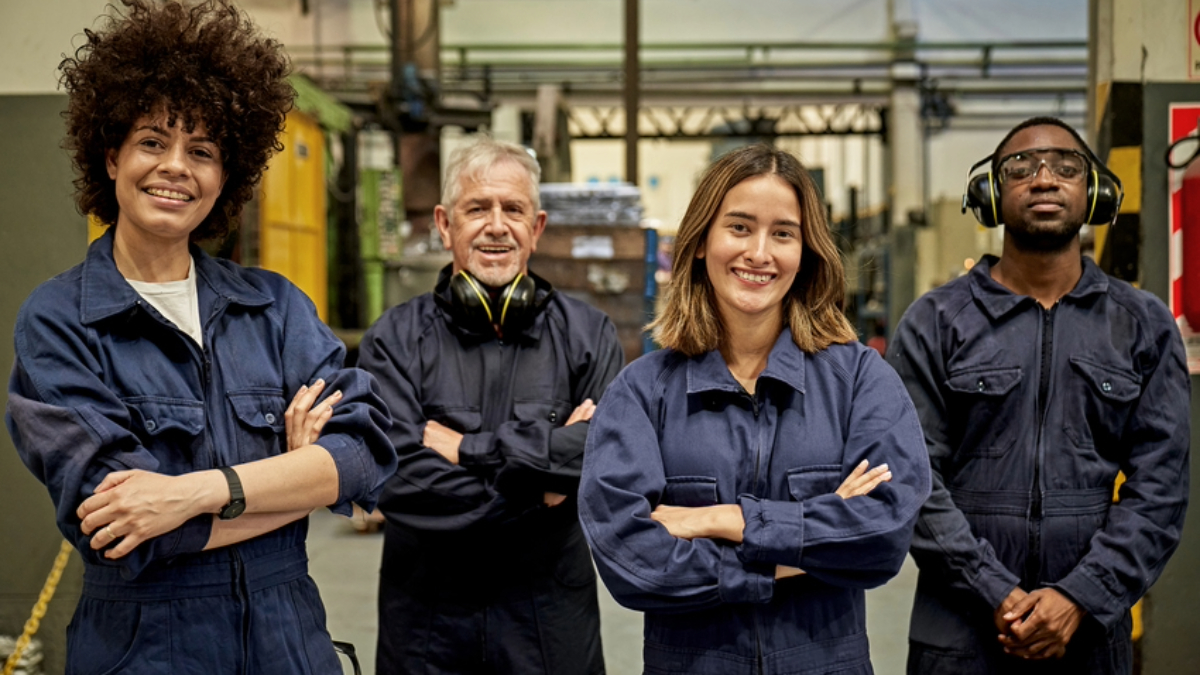
four people in blue overalls posing
Leadership & HR

What makes a good team?

Why do some teams perform effortlessly while others tread water? pme Academy Director Darina Doubravova explains why looking at the big picture is crucial. Discover the four most important levers and practical tips for immediate cohesion and success. 


What does a systemic approach mean for teams?

Does this sound familiar? A team full of talented, committed professionals, but the results are lacking. The atmosphere is tense, projects come to nothing. It's tempting to look for the cause in individual people, but that's usually not enough. A recent McKinsey study debunks the myth that talent alone is enough. The real cause rarely lies with individual members. It lies in the system. Darina Doubravova, head of the pme Academy, guides you through the key factors that turn a group of lone wolves into a real dream team.

"A team made up of 'superstars' isn't inherently a great team—in fact, it can lead to poorer performance."McKinsey, When teams get healthier, the whole organization benefits

The first and most important step toward improvement is a shift in perspective. Teams should not be viewed as isolated islands, but rather as part of a dynamic organizational ecosystem. “Neither individual team members nor teams can be viewed in isolation. They are always part of a complex ecosystem in constant interaction with other teams and the dynamics of the entire organization,” explains Darina Doubravova, Director of the pme Academy.

This holistic perspective is crucial for truly understanding and sustainably improving collaboration within the company.

That is why she recommends that every team make a conscious effort to engage with other teams and ask open-ended questions such as: “What are your actual expectations of us? How do you perceive our tasks and contributions?” Throughthis dialogue, both sides can reveal, align, and, if necessary, adjust their perspectives—a process that, as a genuine shift in perspective, fosters mutual understanding. Only when a team recognizes and actively shapes this systemic context can it realize its full potential and truly contribute effectively to overall success.

"I've noticed in many companies that departments often complain about a lack of appreciation from others. But it's always worth taking a self-critical look: How do I actually view the work of other teams?" says Darina Doubravova. "When teams look beyond their own horizons and take the broader context into account, the result is not only greater appreciation but also better collaboration."

"This is how a good working relationship becomes a true factor in the company's success."Appreciation is not a one-way street; rather, it arises only through mutual exchange and understanding.

Five Key Factors for Successful Team Performance 

Research shows that a team’s success is no accident, but rather stems from specific, learnable behaviors. Studies demonstrate that it is not random factors or the team’s composition alone that make a team successful, but rather principles that are consciously applied in day-to-day work.

"Our research shows that four drivers in particular have the greatest impact: trust, communication, innovative thinking, and decision-making."McKinsey, When teams get healthier, the whole organization benefits 

1. Trust & Psychological Safety: The Foundation 

Without trust, nothing works. It is the foundation that allows team members to take risks, speak their minds openly, and admit to mistakes. Only in an environment where trust prevails can employees freely express their ideas, ask questions, and even voice uncertainties or doubts without fear of negative consequences. This creates an environment where collaborative learning and continuous improvement become possible.

Recent studies show that teams with a strong culture of trust perform significantly better. According to a study by the consulting firm McKinsey, such teams areupto 3.3 times more productive than teams with lower levels of trust. They achieve better results, make decisions more quickly, and deal with challenges more creatively.

In addition, sick leave and employee turnover decrease because employees feel heard and valued. In short: Trust is the foundation for innovation, collaboration, and sustainable success in every team.


Practical tips for immediate implementation: 

  • Personal check-ins: Start team meetings with a brief round of personal updates. This creates an open atmosphere where everyone feels like part of the team and trust can grow.
  • Mistakes as learning opportunities:Foster a culture where mistakes are openly discussed and reflected upon together. This strengthens mutual trust and enables innovative teamwork.
  • Demonstrate reliability:Consistently followthrough on agreements and proactively keep your team informed about changes or challenges. This demonstrates reliability and helps build a strong relationship of trust. 

Our research found that teams that scored above average on trust were 3.3 times more efficient and 5.1 times more likely to deliver results than teams with below-average trust.
McKinsey, When teams get healthier, the whole organization benefits 

2. Open communication & feedback: The driving force 

Clear, open, and appreciative communication is the engine that drives the team forward and resolves conflicts before they escalate. Only when all team members know how to talk to each other and give feedback can a trusting atmosphere and productive collaboration develop.

Practical tips for immediate implementation: 

  • Establish rules for communication: Work with your team to establish binding rules for communication. For example, determine which communication tool (e.g., email, chat, face-to-face conversations) is used in which situation and who needs to be informed about important issues. This will help you avoid misunderstandings and ensure clarity.
  • Introduce feedback routines: Establish regular feedback rounds, for example, using the simple and effective 5-finger feedback method.This gives all team members the opportunity to express praise and suggestions for improvement in a constructive manner and to continuously work on their collaboration.
  • Active listening:Practice genuine, appreciative listening. Show your conversation partner that you really want to understand what they mean by asking questions and repeating what they say. This promotes mutual respect and facilitates communication within the team.

Work on your attitude toward feedback: Constructive feedback is a gift and opens up opportunities for improvement.
Darina Doubravova, Director of the pme Academy 

This YouTube content can only be loaded if you accept the privacy policy of Google LLC.

To the data protection settings "

3. Innovative thinking & diversity: The fuel 

Teams that are open to new ideas and value different perspectives are demonstrably more creative, flexible, and better prepared for change. Diversity brings fresh approaches to solutions, promotes innovation, and increases competitiveness. It is crucial that every team member can contribute their strengths and experiences.

Practical tips for immediate implementation: 

  • Create space for creativity: Block out regular times in your calendar for joint brainstorming sessions. Encourage your team to openly express all their ideas during these sessions—without immediate evaluation or criticism. This will give rise to new approaches and creative solutions.
  • Consciously leverage diversity:Encourage exchange between team members with different professional and personal backgrounds. Specifically ask for different perspectives and show appreciation for different opinions. This will allow you to benefit from the entire wealth of experience your team has to offer.
  • Encourage experimentation: Create a team culture where trying new things and “making mistakes” are actively encouraged. Encourage your employees to launch small experiments or pilot projects. Celebrate learning progress together—regardless of whether the experiment was immediately successful.

​​​​
 

4. Clear decision-making: The steering wheel 

Unclear decision-making processes quickly lead to frustration and paralyze collaboration. Efficient teams, on the other hand, know exactly who makes decisions in which situations and how. This means that decisions are made quickly, everyone involved pulls together, and the team remains capable of acting.

Practical tips for immediate implementation: 

  • Clarify roles: Create clarity within the team by jointly determining who is responsible for which decisions, who provides advice, who makes suggestions, and who ultimately implements them. This transparency provides orientation and increases efficiency.
  • Quality over perfection: Make decisions quickly . Encourage the team to make decisions quickly based on the information available, rather than endlessly searching for the perfect solution. A pragmatic approach saves time and allows for immediate action.
  • Learn from mistakes: Take time regularly to reflect on decisions—especially when the desired result is not achieved. Analyze the causes together without assigning blame. This way, everyone benefits from shared experience and knowledge and continues to develop as a team.

"It's not just about defining clear roles within the team, but also about considering the expectations placed on individual team members from outside the team. The issue of 'breaking down silos' is also becoming increasingly important.
Darina Doubravova, Director of the pme Academy"  


5. Sustainability and the outside perspective 

Self-reflection is good, but looking inward is often not enough. Teams quickly develop blind spots when it comes to their own weaknesses. Leaders often view the situation more positively than the rest of the team. An outside perspective can be crucial for identifying the real areas that need improvement.

External team development is particularly useful when a new team is forming, major changes are on the horizon, or conflicts are hindering collaboration. An external coach can help identify entrenched patterns and show the team new ways forward. 

Teams are often unaware of their most significant gaps and may share blind spots, leading them to prioritize the wrong things.
McKinsey, When teams get healthier, the whole organization benefits

Conclusion

A high-performing team is the result of a continuous process that begins with understanding the big picture. By recognizing their role in the organizational ecosystem and actively working on the pillars of trust, communication, innovation, and decision-making, teams lay the foundation for sustainable success. 

FAQ: Improving team performance 

What makes a good team?

Successful teams are characterized by mutual trust, open communication, diverse perspectives, and clear decision-making. Shared goals, respectful interactions, and a constructive approach to handling mistakes are further keys to success.

How can trust be built within a team?

Trust is built through transparent communication, reliability, and an open culture of accountability. Regular one-on-one conversations, genuine appreciation, and keeping one’s promises foster mutual trust within the team.

What promotes effective communication within a team?

Clear communication, active listening, and respectful interaction are essential. Feedback should be provided regularly and constructively. Shared guidelines for using communication channels help prevent misunderstandings.

What is meant by a systemic approach?

The systemic approach views teams as part of a larger organizational system. It focuses on the relationships and interactions among team members. The goal is to identify patterns in how they interact with one another and thereby foster respectful, solution-oriented collaboration.

What can help resolve conflicts within a team?

Conflicts should be addressed early on. Open, respectful discussions and neutral facilitation help in finding solutions. It is important to view conflicts as an opportunity for growth rather than assigning blame.

When should external team development be used?

External team development is recommended in cases of recurring conflicts, major changes within the team, or when the goal is to improve collaboration over the long term. An impartial outside perspective can help break through entrenched patterns.

Further links

McKinsey Quarterly: "Go, teams: When teams get healthier, the whole organization benefits"
October 31, 2024