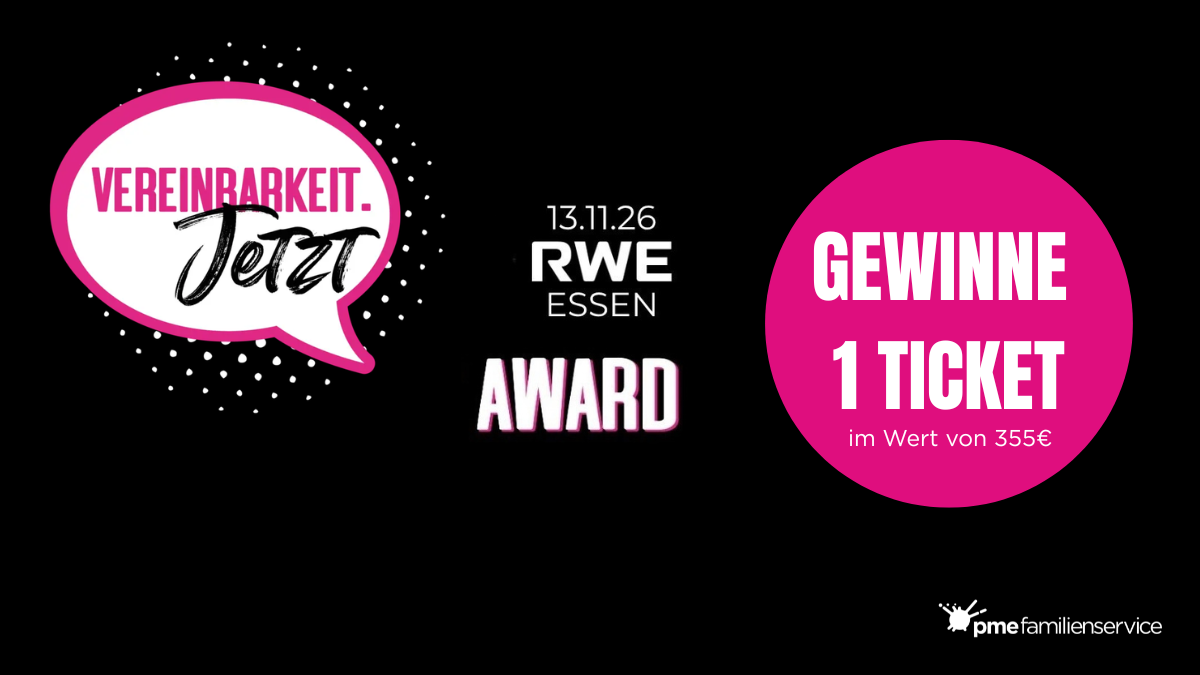
Banner Health Day with Speakers 2026
News

The successful "Health Day" program is being expanded to include "Health Week"

(Berlin, April 24, 2026) Health Day is back—and bigger than ever this year! Because one day isn’t enough, the pme Familienservice is expanding its successful digital health event into Health Week in 2026. A whole week full of inspiration, live challenges, and community—with Health Day on October 8 as the highlight.

This program is designed for all companies and organizations that wish to provide their employees with innovative ways to promote health and well-being—regardless of industry, role, or position.

New in 2026: Health Week


Health Week, taking place from October 5 to 9, 2026, brings fresh inspiration to the workplace every day: from a daily sleep challenge and power breaks to boost resilience, to yoga and relaxation, as well as lectures on longevity, nutrition, family health, and artificial intelligence. Interactive Q&A sessions, practical exercises, and a digital community ensure that these health initiatives have a lasting impact.

All sessions are available live and as recordings.

Michèle Penz, Head of Occupational Health Management at pme Familienservice:

"With Health Week, the pme Familienservice is setting an example for modern, practical health promotion—and turning health into a shared experience."

Highlight of the week: Health Day on October 8, 2026

More than 30,000 people have already benefited from Health Day. In 2026, this successful event will take place for the fifth time and once again offer an inspiring program. Under the theme "AI will survive?", the four-hour livestream will explore how people can stay healthy, clear-headed, and confident in a world where algorithms never tire. 

Health Day highlights ways to boost physical and mental health as well as resilience. Viewers will learn how to listen to their inner selves, better manage stress, and use artificial intelligence in ways that support their health rather than creating additional stress—even amid the demands of daily life, balancing work, family, and career.

Here are the speakers for 2026:

Carolin Kebekus (comedian, host, and author) speaks with humor and honesty about mental health as she balances her career and family life.

Dr. Esser explainshow artificial intelligence can help us get and stay healthy in our daily lives.

Elena Semechin (Paralympic champion and entrepreneur) explains how, as a top athlete with a visual impairment, she makes decisions based on perception and intuition, and how AI supports her in her daily life.

Inga Bergen (healthcare entrepreneur and AI expert) explains how Gen Z is transforming the healthcare sector with its tech-savvy mindset and what older generations can learn from this.

Philipp Möller (forensic pathologist)demonstrates how our lifestyle leaves its mark on the body and speaks openly about how he copes with the psychological stresses of his profession.

For more information on the topics and how to register, please visit the Health Day & Health Week landing page.

About Health Day & Health Week

The pme Health Day will take place for the fifth time as a livestream in 2026 (in 2021 it was still known as “Digital Health Day”). Over the past few years, it has established itself as a major event in the field of workplace health promotion. More than 30,000 viewers have benefited from the inspiring insights of renowned speakers and industry professionals.

These speakers have previously appeared at our Health Days: Dr. Eckart von Hirschhausen, Prof. Dr. Dietrich Grönemeyer, Samuel Koch, Dr. Johannes Wimmer, Dr. Leon Windscheid, Miriam Höller, Steffi Jones, Dr. Pop, Patricia Cammarata, Nathalie Stüben, Bastienne Neumann, and many more.

In 2026, Health Day will be expanded for the first time into a full week of health initiatives—Health Week. It will offer concise tips, live challenges, and a community for sharing ideas and staying motivated.

Companies across the country can sign up for this interactive program for their employees to provide them with valuable insights into their health.

About the pme Familienservice – Provider of EAP and work-life balance services since 1992 

On behalf of more than 1,400 employers, the pme Familienservice helps employees successfully balance their professional and personal lives so they can work with peace of mind. 
The pme Familienservice has a presence in more than 70 locations across Germany, Austria, Switzerland, and the Czech Republic and employs over 2,000 staff members as well as numerous experts from various fields. Learn more about the pme Familienservice here:familienservice  

zero Helpful tips for a relaxed menopause

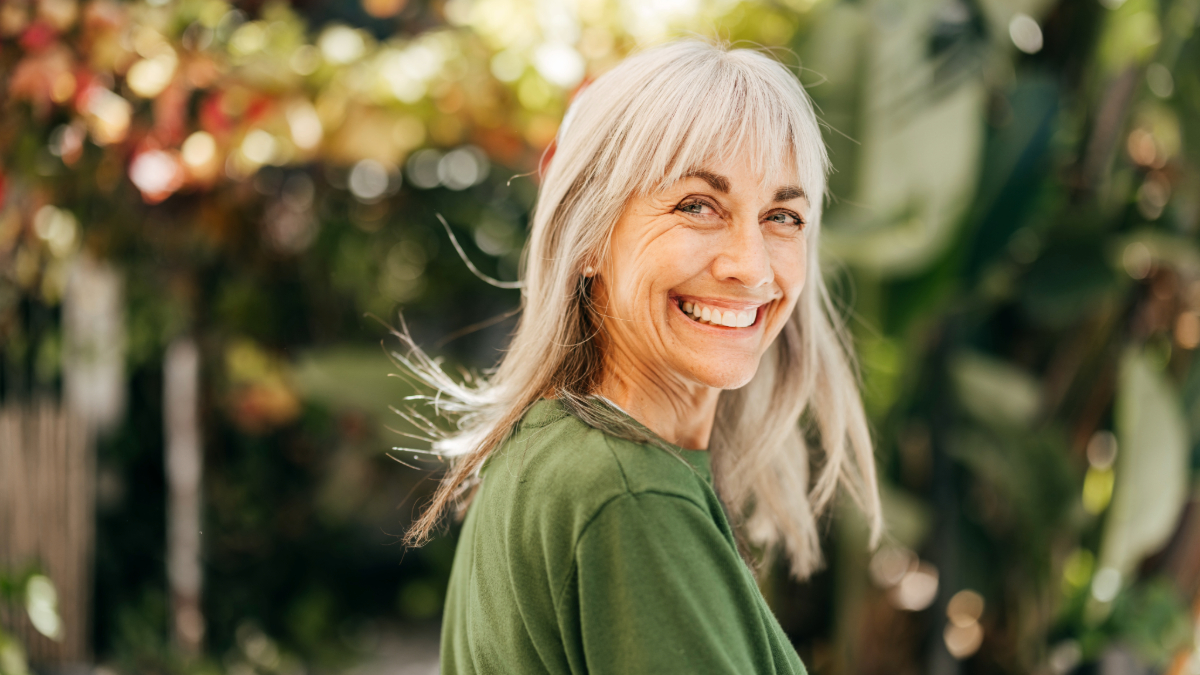
Cheerful middle-aged woman
Body & Soul

From brain fog to job stress: mastering the menopause

The menopause is a major turning point in a woman's life. Anna Kipp-Menke, systemic consultant, and Giannina Schmelling, certified nutritionist, have helpful tips on how to deal with common complaints.

What happens in the body during the menopause?

The menopause is an important phase of life that affects around 9 million women in Germany. The effects vary greatly: around a third experience severe symptoms, another third moderate symptoms and a third hardly any symptoms at all.

During this phase, the hormonal balance changes profoundly. This affects the whole body. Sleep disorders, hot flushes, mood swings, concentration problems and weight gain usually occur.

Important tip: Regular exercise supports the body and brain and can reduce symptoms.

When does the menopause begin and how long does it last?

The menopause can begin at the end of your 30s with the first hormonal changes - long before your period stops (menopause).

The symptoms are initially caused by a lack of progesterone, which is the first hormone to fall during the menopause. Only then does the oestrogen level also fall.

The hormonal changes can extend over a period of up to 15 years. A distinction is therefore made between premenopause, perimenopause and postmenopause.

What does the menopause do to the brain?

Many women suffer from concentration problems and "brain fog" during the menopause. The brain reacts to the falling oestrogen levels and adapts. This leads to temporary changes.

These neurological symptoms are similar to those in other phases of life such as puberty or pregnancy. The brain undergoes a kind of hormonal "update" and builds up new networks.

 What is the menopause and what is the perimenopause?

The menopause is the time of the last menstruation and thus the end of fertility (ability to reproduce). On average, the menopause occurs at the age of 52.

Perimenopause is the transitional phase of the menopause that leads to menopause. During this time, the ovaries gradually begin to produce less oestrogen and progesterone, which can lead to physical and emotional changes. It begins on average at the age of 47.5. 

Why does the menopause make evolutionary sense?

The menopause is not a disease or a punishment. Many researchers believe it makes evolutionary sense. After all, "grandmothers play an important role" by supporting families and passing on knowledge. The menopause prepares women for this new task.

How to achieve a positive mindset during the menopause

How women experience the menopause depends very much on their attitude. Those who see this time as an opportunity rather than a crisis often experience more serenity and self-confidence.

This phase can be the start of new career paths, relationships or personal goals. A positive attitude promotes well-being and helps you to cope better with challenges.

6 tips for a more relaxed menopause 

This helps against concentration problems and "brain fog"

  • Accept these symptoms as temporary.
  • Use trackers for important items and a fixed filing system.
  • Schedule difficult tasks for times when you can concentrate well.
  • Breathing exercises such as the 4-7-8 exercise bring clarity to your thoughts.
  • Avoid multitasking. Complete tasks one after the other.
  • To-do lists and calendars bring structure and calm.

Exercise: A miracle weapon against menopausal symptoms

Endurance and strength training, as well as balance and flexibility training, work wonders. They regulate weight, reduce the risk of cardiovascular disease and improve sleep and mood. Even regular walks increase well-being.

The right diet for the menopause

Many women gain weight during the menopause, especially around the abdomen. This increases the risk of illness. A diet rich in fiber, vitamins and minerals helps to support the metabolism and brain function.

How to avoid blood sugar spikes:

  • Give preference to unprocessed foods.
  • Eat a balanced diet with proteins, healthy fats and complex carbohydrates.
  • Take 4-5 hour breaks between meals. Recommended: 3 meals a day.

Recommended foods during the menopause

  • Omega-3-rich foods such as linseed oil, chia seeds, oily fish, walnuts and avocado have an anti-inflammatory effect.
  • Proteins in fish, eggs, pulses and milk help to maintain muscle mass.
  • Vegetables, wholemeal products and nuts promote digestion and stabilize blood sugar.
  • Drink at least 2 liters of water or unsweetened tea every day. Avoid coffee and alcohol, as they can increase hot flushes.

How to relieve hot flushes

  • Wear clothing made from natural fibers such as wool, silk or cotton.
  • Use the onion technique: several thin layers instead of one thick layer.
  • Prefer clothing that leaves your arms and neck free, e.g. vests.
  • Carry tissues, tissues or a bottle of cologne with you.
  • Speaking openly at work can help, e.g. "I'm going to take a quick break to freshen up.
  •  

"

The menopause is not the end, but a valuable opportunity for a new phase of life. Embrace the physical changes with love and use this time to get in touch with yourself."
Anna Kipp-Menke, systemic counselor


Menopause and job: why it's important to talk about it 

Women with menopausal symptoms often fall through the cracks at work. While the flu is reported as sick, women usually have to keep quiet about sleeping disorders, hot flushes or concentration problems and continue working as normal.

The "Menosupport" study (2023) shows that complaints influence career decisions and that women sometimes reduce their working hours or retire earlier.
Facts from the study:

  • 68 % would like to see more open communication.
  • 57% want more support from employers.
  • 24% reduce their working hours due to complaints.
  • 19 % are planning to retire early.

How employers can support women during the menopause

Promote open communication

An open atmosphere helps to break down taboos. This makes it easier for women to talk about complaints and get help.

Integrate company health management

Information on hormonal changes, nutrition and prevention provide women with targeted support.

Offering relief in everyday working life

  • Flexible working hours
  • Home office with stress
  • Relaxation rooms for short breaks
  • Simple sick notes

Enabling psychosocial support

  • Psychological counseling (company psychologists).
  • Coaching and mentoring specifically for women.
  • Courses on stress management, meditation, yoga, mindfulness.
  •  
 Book tip: The brain during the menopause by Dr. Lisa Mosconi

Dr. Mosconi encourages a new awareness of the menopause. She does not see it as the end, but as an important transition with opportunities for growth.
dtv Verlag, Munich, 2025


FAQ - frequently asked questions about the menopause

How long does the menopause last?

The menopause lasts around 4 to 7 years. Symptoms usually occur between the ages of 45 and 55.

Does exercise really help against complaints?

Yes, exercise improves mood, regulates weight, promotes sleep and can alleviate symptoms such as hot flushes.

What diet makes sense during the menopause?

A high-fiber, vitamin-rich and balanced diet with healthy fats and proteins supports the metabolism and the brain.

How can I relieve hot flushes quickly?

Wear light clothing, use the onion technique as recommended and cool yourself with refreshing towels or a fan if necessary.

Can my employer support me during the menopause?

Yes, open communication, flexible working hours, working from home, quiet rooms and psychosocial support are important offers of help.