


Anti-inflammatory diet: What should you eat to fight inflammation?
Whether it’s “silent inflammation,” “anti-inflammatory diets,” or “inflammaging”—the discussion about chronic inflammation and how diet affects it is on everyone’s lips right now: in podcasts, on social media, in doctors’ offices, and on nutrition blogs. No wonder: More and more studies are showing how closely our diet is linked to these often-unnoticed inflammatory processes—and how much we can achieve every day with the right meal plan.
Text: Kirsten Schreiber (nutritionist) and Christin Müller
Read the article:
1. Health risk: Inflammation in the body
Inflammation is a natural defense mechanism of the body. It helps heal injuries and fight infections. But when inflammation becomes chronic, it can pose a threat to health and increase the risk of conditions such as cardiovascular disease, diabetes, and joint problems.
1.1. Acute vs. Chronic — A Brief Explanation of Inflammation
- Acute inflammation: a short-term , targeted immune response (e.g., following a cut or infection).
- Chronic, "silent" inflammation: low-grade activation of the immune system over a long period of time, often without clear symptoms, but with long-term consequences.
1.2. Causes of Silent Inflammation
Many modern lifestyle factors, such as chronic stress, lack of sleep, lack of exercise, environmental pollution, and poor diet, contribute to low-grade inflammation in the body.
One key factor is what ends up on our plates every day: being overweight—especially having excess belly fat—can trigger inflammation in the body. But certain foods can also directly stimulate inflammation, regardless of body weight. Studies show that specific ingredients in highly processed foods can increase the risk of chronic conditions such as diabetes or cardiovascular disease.
The good news is that you can actively reduce this risk by making conscious dietary choices. Below, we’ll take a look at which nutrients tend to promote inflammation—and which ones can help curb it.
2. How Diet Affects Inflammation
2.1. Negative Factors: Inflammation-Promoting Foods and Cooking Methods
Excessive consumption of sugar and highly processed foods, such as fast food and ready-made meals, promotes inflammation. Sugar causes blood sugar levels to rise rapidly, which contributes to inflammatory reactions in the body. In addition, these foods often contain trans fats, artificial additives, and flavor enhancers that can exacerbate inflammation. Typical pro-inflammatory foods include:
- White flour products (e.g., white bread, durum wheat pasta)
- Sugary snacks and drinks
- Vegetable oils high in omega-6, such as sunflower, corn, and soybean oil
- Fried foods and baked goods
- Red and processed meat (e.g., bacon, sausages)
- Alcohol in large quantities
The method of preparation also makes a difference. Deep-frying and high-heat grilling, especially of red meat, lead to the formation of harmful substances that promote inflammation. Gentler methods include baking or steaming.
2.2. Positive Effects: Anti-inflammatory Nutrients and Foods
To prevent or reduce inflammation, you should focus more on anti-inflammatory foods:
- Omega-3 fatty acids: Fatty fish such as salmon, mackerel, and sardines, as well as plant-based sources such as nuts, seeds, and flaxseed oil, reduce the production of pro-inflammatory messengers in the body.
- Antioxidants such as vitamins C and E: Vitamin C is abundant in fresh fruits and vegetables, especially in berries, citrus fruits, bell peppers, and broccoli. Vitamin E is found primarily in nuts, olives, and canola oil. These protect cells from harmful free radicals, which can trigger inflammation.
- Polyphenols: Valuable phytochemicals found in olive oil, whole-grain products, legumes, as well as in coffee, tea, and dark chocolate. They have antioxidant properties and help regulate the immune response.
- Prebiotics and Probiotics: Probiotic foods such as yogurt, kefir, and sauerkraut introduce live bacteria into the gut, while prebiotic fibers—found, for example, in Jerusalem artichokes, asparagus, bananas, and chicory—promote their growth. Together, they support the production of anti-inflammatory short-chain fatty acids in the large intestine and contribute to a healthy balance of gut flora, which has a positive effect on the immune system.
- Spices and herbs: Garlic, ginger, turmeric, cinnamon, rosemary, basil, thyme, chili, and cloves contain bioactive compounds such as curcumin, gingerol, and allicin, which inhibit inflammatory responses and strengthen the immune system.

3. Foods That Fight Inflammation: Practical Tips for Everyday Life
- Go for variety: Enjoy natural foods such as vegetables, fruits, whole grains, legumes, nuts, and seeds.
- Choose healthy fats: Include fatty fish, olive oil, avocados, nuts, and seeds in your diet.
- Cut back on sugar and processed foods: Watch out for hidden sugar in products, avoid highly processed foods, and check ingredient lists for additives.
- Cook gently: Bake, steam, or sauté instead of deep-frying or grilling at high heat.
- Take care of your gut flora: Include probiotic and prebiotic foods in your diet to promote gut health.
- Choose sugar-free beverages: Drink water, unsweetened tea, or coffee. You should only drink alcohol in small amounts, as larger amounts can increase inflammation.
- Cook with spices and herbs: Use a colorful selection of fresh spices like turmeric, ginger, garlic, and chili to add flavor to your meals.
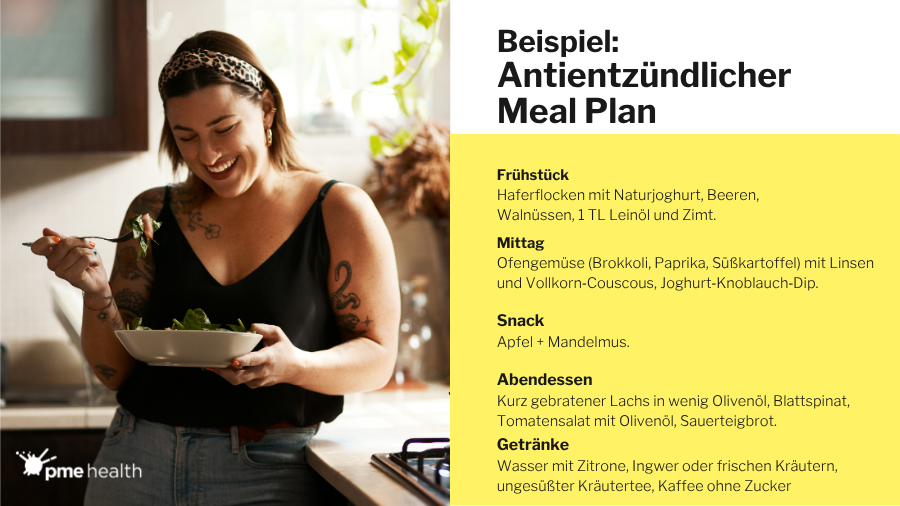
4. Sample Day — A Meal Plan for Everyday Life
5. Conclusion
A healthy diet can have a significant impact on chronic inflammation. Focusing on anti-inflammatory foods and healthy cooking methods can help reduce inflammation over time and, in the long run, improve your health.
6. Frequently Asked Questions (FAQ)
What is “silent inflammation”?
Silent inflammation is a low-grade, chronic activation of the immune system without acute symptoms, which can cause long-term tissue damage and contribute to disease.
Does turmeric/curcumin really help reduce inflammation?
Curcumin has anti-inflammatory properties, but its absorption is limited—combining it with fat and black pepper improves its bioavailability. Turmeric can be a useful supplement, but it is not a substitute for a comprehensive dietary change.
How quickly does an anti-inflammatory diet work?
Initial changes in inflammation markers can sometimes be detected within weeks to months; noticeable health benefits (e.g., increased energy, improved blood test results) often become apparent after several weeks to months of consistent dietary changes.
Are omega-3 supplements worth taking?
If you don’t eat much fish, omega-3 supplements (EPA/DHA) may be a good idea. However, it’s even better to eat fatty fish as regularly as possible and incorporate plant-based sources of omega-3 into your diet.
As a general rule, dietary supplements should only be taken if a deficiency has been confirmed (based on the Omega-3 Index (hs Omega-3 Index)). Always discuss taking supplements with your doctor—especially if you are taking medication.
Can an anti-inflammatory diet alone stop inflammation?
It is an important component and works best when combined with adequate sleep, stress management, exercise, and avoiding environmental stressors. Diet alone is rarely sufficient on its own.