

Neurodiversity 2026 Initiative: "The Marvel of the Brain"
From April to July 2026, pme Familienservice will explore the topic of neurodiversity through a series of comprehensive educational and discussion events Familienservice its “Wunderwerk Gehirn” initiative. The campaign highlights the potential and challenges of neurodivergent perspectives for families and businesses—and outlines concrete ways to promote genuine inclusion.
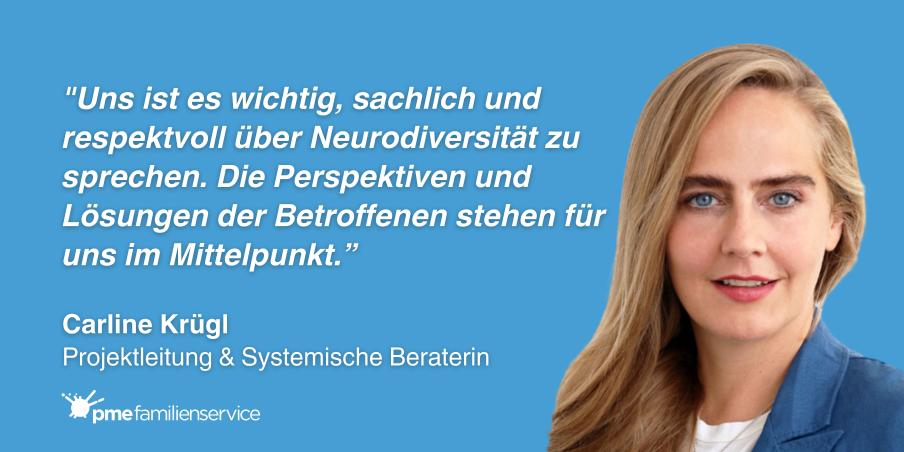
"Our goal is to foster an objective, respectful dialogue about neurodiversity. We focus on the diverse voices of those directly affected—we want to highlight real perspectives and solutions rather than getting bogged down in debates about diagnoses." –Carline Krügl, Project Manager & Systemic Consultant
An Overview of the “Marvel of the Brain” Initiative
People with neurodivergent conditions often navigate a world full of contrasts: daily challenges such as exhaustion and the need to hide their true selves (“masking”) stand in stark contrast to extraordinary creativity, deep authenticity, and a high capacity for innovation. This often gives rise to uncertainty and many unanswered questions—not only for the individuals themselves, but also for their parents and partners.
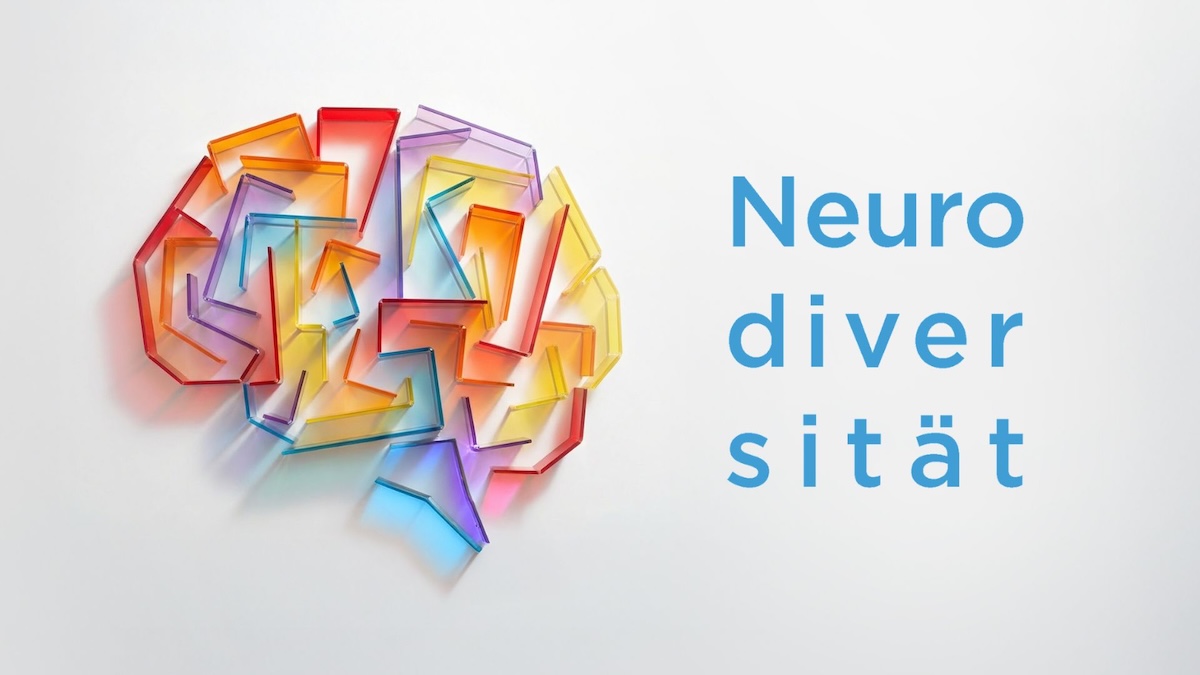
Neurodiversity—which encompasses diagnoses such as autism spectrum disorders, ADHD, dyslexia, dyscalculia, and other neurological developmental differences—often feels like a confusing maze. This is exactly where the “Wunderwerk Gehirn” initiative from pme Familienservice comes Familienservice . It sees itself as a compass guiding people through this complex terrain.
As part of this initiative, pme Familienservice will provide expert support Familienservice April through July 2026 through various educational and interactive formats, such as blog posts, podcasts, expert presentations, and group coaching sessions.
In this way, we foster the exchange of experiences not only among those affected and their families, but also with companies (employees and managers), and highlight the strengths of neurodiverse perspectives.
Formats and offerings of the initiative
- Articles and podcasts provide in-depth knowledge and offer new perspectives, such as neurodiversity in children, autism and ADHD in adults, or neurodiversity in the workplace.
- Specialized presentations and group coaching sessions provide a space for valuable, peer-to-peer exchange of experiences and offer practical, everyday tips for dealing with neurodiversity in children and adults.
- Insights into best-practice examples, such as our exclusive corporate forum on inclusion and neurodivergent networks in companies (held on April 28, 2026).
- Support with specific situations,suchas academic challenges, understanding funding opportunities, or communicating with educational institutions.
Target audience of the initiative
- Parentsfind support, gain guidance, and feel more confident in dealing with schools, government agencies, and everyday challenges.
- Employeesare encouraged to develop their sense of self-efficacy and are supported in working together.
- Managersgain valuable insights into inclusive leadership and the development of realistic expectations.
- Companies and HR departmentsreceive support in developing sustainable inclusion strategies.
Values and Vision: The Foundation of the “Wunderwerk Gehirn” Initiative
The “Marvel of the Brain” initiative is based on the following principles:
- True inclusion: The goal is structural change that goes beyond mere pressure to adapt.
- Exchange & mutual support: Learning from real-life experiences forms the foundation of our collective progress.
- Recognizing the issue: Challenges are always identified and taken seriously.
- Empowering parents: Providing knowledge, support, and practical solutions to help them navigate everyday life.
- Highlighting Strengths: Recognizing neurodivergent ways of thinking as a valuable source of innovation, quality, and diversity.
- Practicality: Providing concrete, actionable solutions.
- Best Practices & Role Models: Highlighting successful approaches and promoting their transferability.
- Appreciation & Respect: A holistic view of people on the spectrum—with all their strengths and challenges.
Understanding Neurodiversity: The Path to Inclusion in Practice
Neurodiversity refers to the fascinating range of ways in which people think, perceive, and process information. This includes, among other things, the autism spectrum as well as conditions such as ADHD, dyslexia, and Tourette syndrome.
The initiative does not turn a blind eye to the daily stresses of everyday life: We openly address challenges such as impulsivity, exhaustion, and putting on a brave face, and work with experts and those affected to develop practical solutions.
At the same time, attention is repeatedly drawn to the extraordinary strengths that characterize neurodivergent perspectives. These include, for example:
- Sensitive and nuanced perception
- Exceptional creativity
- Innovative and interconnected thinking
- Strong problem-solving skills
- Strong ability to recognize details and patterns (for example, in people on the autism spectrum)
- Ability to hyperfocus
- Unwavering authenticity
- Often strong communication skills (such as spontaneity, enthusiasm, and an empathetic manner, as are frequently observed in individuals with ADHD)
These qualities can enrich teams, leadership cultures, and innovation processes in a way that is truly unique.
Key Questions About Neurodiversity in the Context of the Initiative
What is neurodiversity?
The natural diversity of neurological traits, including ADHD, autism, dyslexia, giftedness, and other neurodivergent conditions.
How can you tell if someone is neurodivergent?
These often involve specific strengths or challenges in perception, learning, and social behavior. A diagnosis is made following consultations and tests conducted by specialists, such as psychologists or neurologists. Self-assessment tests provide initial insights but do not replace a professional evaluation.
How can we promote neurodiversity?
Neurodiversity can be promoted by valuing differences, providing individualized support, and designing flexible structures in schools, the workplace, and daily life. Key factors include education and raising awareness about different ways of thinking and learning, accessible and inclusive environments, and the active involvement of those affected. Strength-based support and the promotion of personal development further help ensure that everyone can reach their full potential. Learn more atthe “Wunderwerk Gehirn” initiative.
Who is affected by neurodiversity?
Neurodiversity affects people of all ages and from all walks of life. Estimates suggest that approximately 10–20% of people are neurodivergent, a figure derived from a synthesis of studies on individual developmental and learning differences; for example, a large-scale survey by the Centers for Disease Control and Preventionshows that around 17% of children have a developmental disorder (CDC, 2019).
In a school classroom or an office, it is quite likely that several people are neurodivergent—even if you don’t always notice it.